🔥 Daily Isopod Auctions on WhatsApp! Grab species at auction prices, discover rare finds & join our growing community. Join Here
Dryadillo Dream Isopod
Low stock! Only 2 left
Regular price
£60.00 GBP
Sale price
£60.00 GBP
Regular price
Unit price
per
Tax included.
Shipping calculated at checkout.
Couldn't load pickup availability
- Fully secure checkout
- Trusted by thousands
- Rated and reviewed
Want next day delivery? Be quick!
You just missed it!
Question about this product?
We're happy to help.
Dryadillo Dream Isopods for Sale UK
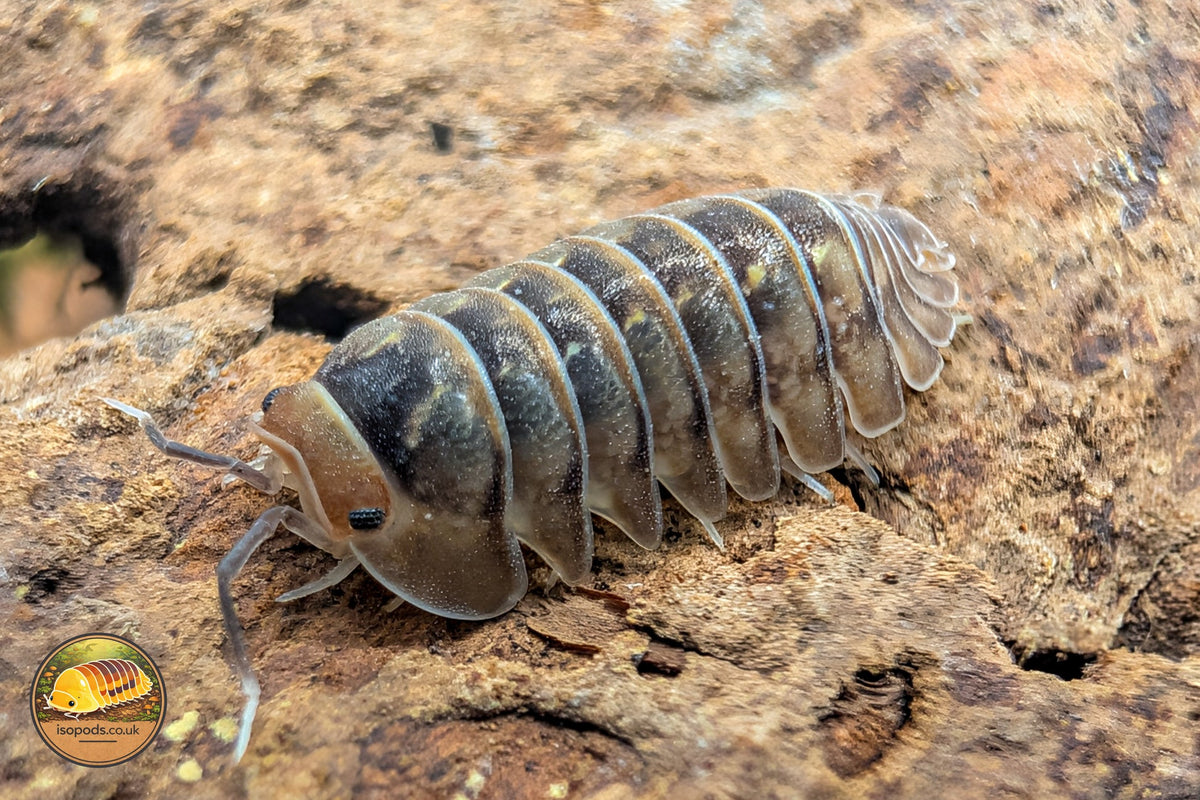
Dryadillo Dream stands out for shape and texture as much as colour. This is a medium-sized tropical armadillid with a flatter, more textured look than many smoother Cubaris types, often showing a skirted outline, spotted patterning, and an armour-like finish that can appear slightly metallic or colour-shifting depending on the light and the individual.
That visual appeal is best enjoyed in a well-covered enclosure rather than by expecting constant open display. Dryadillo Dream is better treated as a specialist tropical species that uses bark, leaf litter, and humid shelter far more than bare floor, so it suits keepers who want an interesting collector species and are happy to let it settle properly.
What makes Dryadillo Dream different
-
Look: textured armour, flatter body shape, and a more layered outline than smoother rounded tropical forms -
Pattern: spotted rather than flat-coloured, with more visual interest across the body plates -
Overall impression: medium-sized, shielded, and more sculpted in appearance than many soft-looking tropical isopods -
Behaviour: usually quieter and more cover-oriented than an openly roaming display species
How they usually behave in the enclosure
Expect most use around sheltered areas: under cork bark, through thicker leaf litter, and around a reliable damp refuge. A settled colony may still spend long periods out of open view, especially after arrival or after enclosure changes.
That does not automatically mean the setup is wrong. More useful signs are whether they turn up in several covered spots, whether litter is being used gradually, and whether the enclosure smells clean and earthy. If the whole colony is packed into one damp corner or one hide, the rest of the tub is often too dry, too exposed, or too stale to use confidently.
Before you order
Dryadillo Dream should go into a prepared tropical enclosure, not a sparse tub assembled at the last minute. Give them a damp refuge that stays reliably moist below the surface, a drier side that still has cover, and enough leaf litter and bark that they can move without crossing too much bare ground.
A pocket of sphagnum moss can help hold one humid shelter steady, while rot wood supports long-term grazing under cover. Keep airflow present as well. Humid does not mean sealed; if the enclosure turns sour, muddy, or heavily wet on the walls, it has drifted from useful humidity into stale conditions. If you want a broader refresher before the colony arrives, the isopod habitat setup guide is the best next read.
Feeding priorities
This species should be kept on a detritus-first basis. Leaf litter should make up most of the long-term food base, with rotting wood and mature substrate doing much of the rest. Fresh foods can be offered in small amounts, but they should not replace the enclosure food base and should not be left to foul in a humid corner.
Mineral support is still worth keeping available, and limestone works well as a steady dry calcium source. In more humid setups, tropical springtails can also help keep leftover food and mould pressure more manageable.
Who tends to enjoy this species most
Dryadillo Dream makes the most sense for keepers who enjoy texture, form, and subtle behaviour rather than constant surface activity. If you like checking bark edges, litter layers, and sheltered feeding spots to see how a colony is settling, this species can be very rewarding.
If you want an isopod that is usually easier to spot in the open and often shows a bolder food response, a more active Porcellio laevis Giant Orange style colony may suit you better. If your preference is for smoother, rounder tropical forms, comparing this species with something like Cubaris Orange Freeze can help clarify whether Dryadillo Dream's flatter, more armoured look is the feature you actually want.
Final comparison and next step
If Dryadillo Dream appeals because of its spotted armour and flatter profile, but you want to stay within the same broader keeping style, Dryadillo maculatus is the closest next comparison. If you are still browsing before deciding, you can also view all isopods to compare collector species, more visible feeders, and other tropical options side by side.
Ease of care
Preferred Temperature
Preferred Humidity
Popularity
Care Instructions
Care Instructions