🔥 Daily Isopod Auctions on WhatsApp! Grab species at auction prices, discover rare finds & join our growing community. Join Here
Dryadillo maculatus Isopod
Low stock! Only 1 left
Regular price
£95.00 GBP
Sale price
£95.00 GBP
Regular price
Unit price
per
Tax included.
Shipping calculated at checkout.
Couldn't load pickup availability
- Fully secure checkout
- Trusted by thousands
- Rated and reviewed
Want next day delivery? Be quick!
You just missed it!
Question about this product?
We're happy to help.
Dryadillo maculatus Isopods for Sale UK
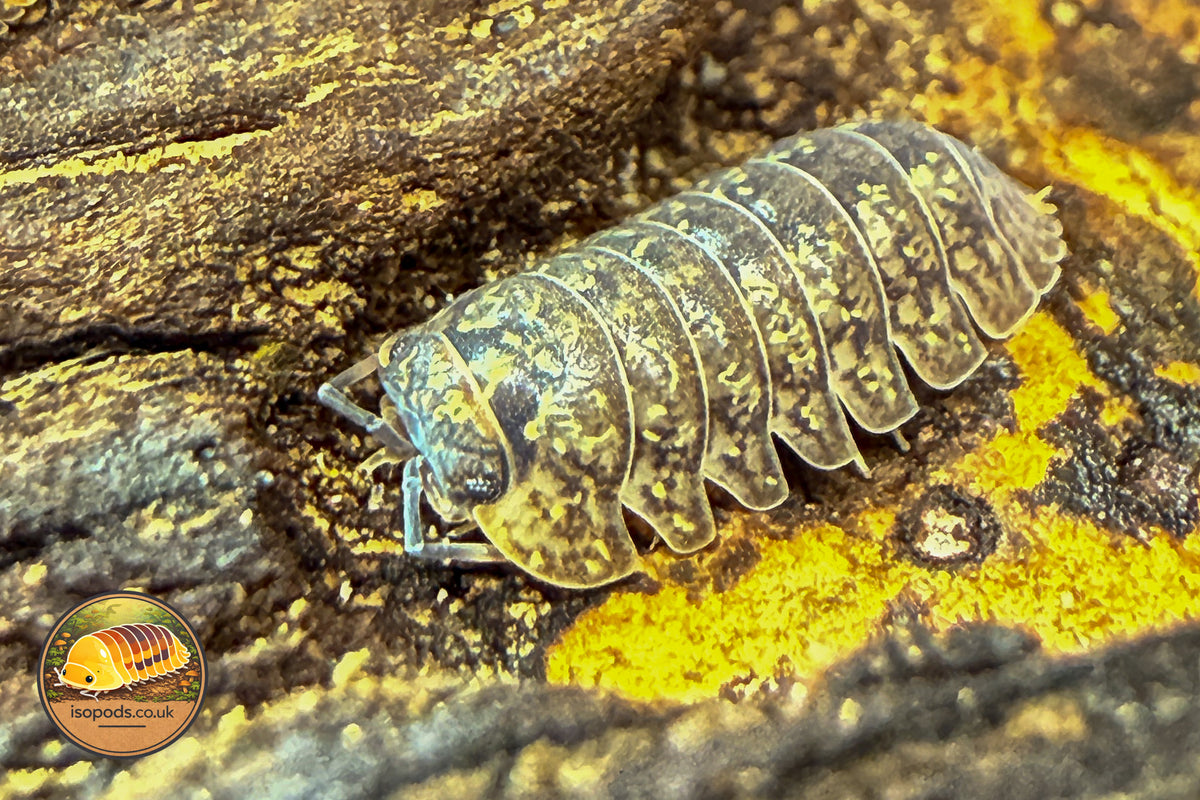
Dryadillo maculatus stands out for its spotted look, compact tropical body shape, and the warm orange antennae that can contrast nicely against the darker patterned body when the animals are visible. It is an appealing choice for keepers who enjoy collector-style tropical species with more texture and detail than constant open activity.
In the enclosure, this is best treated as a cover-focused Dryadillo rather than a species bought for frequent bare-surface sightings. Expect most activity around bark undersides, leaf litter, humid shelter, and sheltered feeding spots, especially while the colony is still settling.
What makes this one different
-
Look: spotted maculatus patterning with noticeable orange antennae -
Body style: compact tropical Dryadillo shape with a textured, sheltered-character look -
Visibility: usually better seen under bark, around litter edges, or in covered humid areas than crossing open substrate -
General behaviour: quiet, deliberate, and more rewarding for patient observation than constant display
How it tends to use the enclosure
A settled colony may spread through several sheltered areas, but that does not usually mean open roaming across the whole tub. You are more likely to notice this species around bark edges, under leaf litter, near damp moss pockets, and in shaded gaps than sitting out in the open. Low visibility on its own is not automatically a problem.
More useful warning signs are a colony packed into one wet corner, avoiding most of the enclosure, or disappearing after moisture or ventilation changes. That usually points to the rest of the setup being too bare, too dry, or too stale rather than the species simply being shy.
Before you order
Prepare a tropical enclosure with plenty of cover already in place. This species usually does better with a deeper substrate that stays damp below the surface, a generous layer of leaf litter, pieces of bark for tight shelter, rotting wood for long-term grazing, and a damp refuge that stays reliable without turning the whole enclosure wet.
Bark matters here because it creates shaded undersides and narrow sheltered edges. Cork bark works well for that job. A damp moss pocket can help one refuge stay usable, and sphagnum moss is a simple way to hold moisture in one area without soaking the whole tub.
Keep a drier side as well, but do not leave it bare. Leaf litter and covered ground on that side help the colony move and feed without crossing exposed open floor. If you want a broader walkthrough, the isopod habitat setup guide explains how to balance cover, airflow, and moisture.
Feeding priorities
Dryadillo maculatus should be kept on a detritus-first footing. Leaf litter, mature substrate, and decomposing wood should carry most of the diet, with fresh foods used as extras rather than the main event. Rot wood is especially useful because it adds both feeding value and more sheltered surfaces for quiet grazing.
Keep calcium available consistently rather than treating it as an occasional extra. Limestone is a straightforward way to provide ongoing mineral support. If you want a fuller feeding breakdown, what do isopods eat covers the wider diet in more detail.
Who will enjoy this species most
This is a better fit for buyers who enjoy tropical isopods with a more reserved style: hidden feeding, bark use, litter use, and subtle enclosure behaviour that becomes easier to read over time. It is less likely to suit someone looking for bold open-floor activity or quick visual feedback every time the lid comes off.
Compare before you decide
If you want another same-genus comparison, Dryadillo Dream is the closest next look. If you are still choosing between sheltered tropical species, browsing tropical isopods can help you compare this quieter Dryadillo style against other humid, cover-oriented options.
Ease of care
Preferred Temperature
Preferred Humidity
Popularity
Care Instructions
Care Instructions