🔥 Daily Isopod Auctions on WhatsApp! Grab species at auction prices, discover rare finds & join our growing community. Join Here
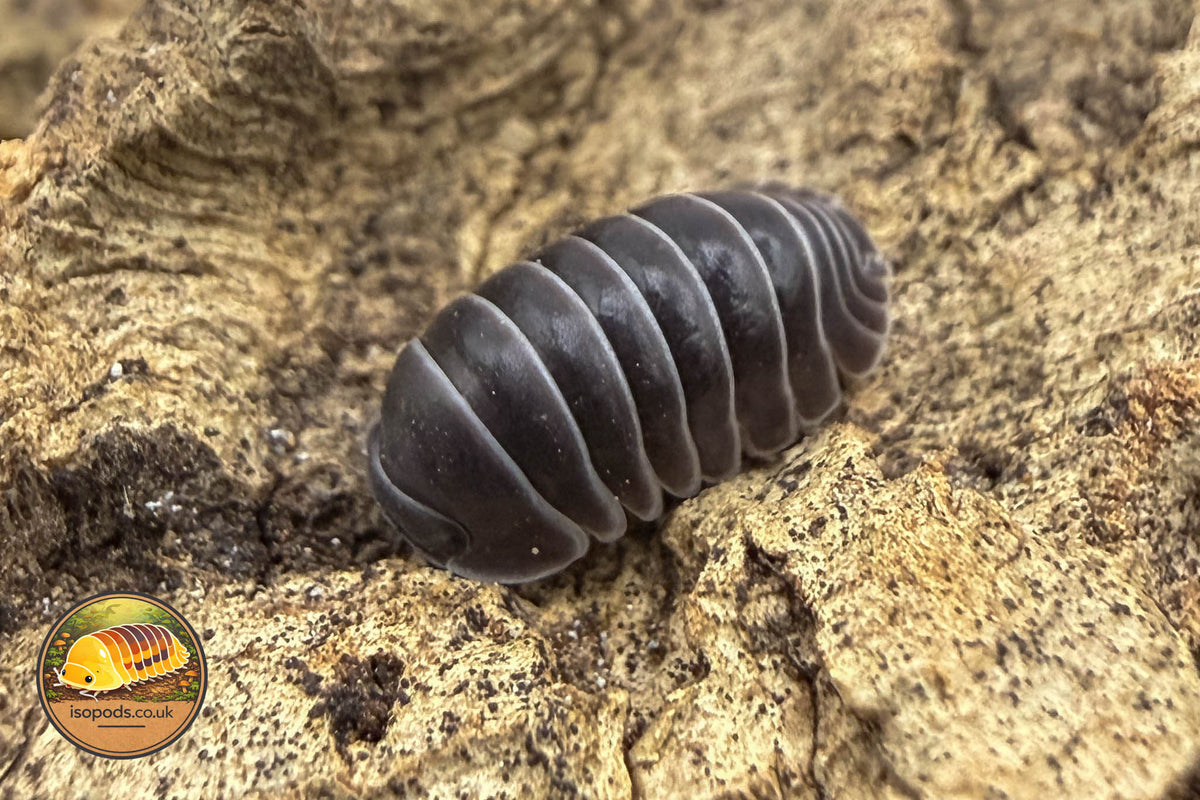
Filipinodillo "Borneo Zebra" Isopod
11 in stock
Regular price
£75.00 GBP
Sale price
£75.00 GBP
Regular price
Unit price
per
Tax included.
Shipping calculated at checkout.
Couldn't load pickup availability
- Fully secure checkout
- Trusted by thousands
- Rated and reviewed
Want next day delivery? Be quick!
You just missed it!
Question about this product?
We're happy to help.
Filipinodillo "Borneo Zebra" Isopods for Sale UK
Filipinodillo "Borneo Zebra" stands out for its strong striped pattern, unusual Filipinodillo shape, and the way that contrast becomes more noticeable when the colony is moving across bark, litter, and covered feeding areas. For buyers interested in Borneo or Sarawak-linked stock, this listing has stronger locality appeal than a generic patterned tropical isopod.
In keeper terms, this is best treated as a humid tropical species with more readable movement than many very hidden collector isopods, but not as a constant open-display colony. When settled, they may be seen using bark edges, leaf litter, and sheltered surface cover more readily than some quieter tropical genera, provided the enclosure gives them humidity, cover, rotting wood, calcium, and fresh air.
What makes Borneo Zebra different
-
Pattern: high-contrast zebra striping that tends to show best when the animals are moving through a naturalistic setup -
Body form: a distinctive Filipinodillo look that feels different from more familiar rounded tropical hobby species -
Visibility style: often more surface-readable than many hidden tropical isopods, especially around bark and covered areas -
Collector appeal: a stronger fit for buyers who want pattern, locality interest, and behaviour together rather than colour alone
How they usually use the enclosure
Borneo Zebra is safer to judge by where it appears than by how often it crosses bare ground. A settled colony may show itself around bark undersides, cork edges, leaf litter, and sheltered feeding spots, with movement easier to notice than in more buried tropical species. That does not mean they want a sparse tub or open display enclosure.
If they are using several covered areas, grazing on litter and wood, and not crowding into one wet corner, that is a better sign than expecting constant surface activity. If the whole colony disappears into one damp pocket, the rest of the enclosure may be too dry, too exposed, or too stale rather than simply not wet enough.
Setup that suits this species
Prepare a humid enclosure with a clear damp refuge, a drier but still covered side, and enough natural cover that they can move without crossing wide bare patches. A deep base of invertebrate bioactive substrate topped with plenty of leaf litter works well, with bark and wood pieces creating shaded undersides and tighter resting spots.
cork bark is especially useful here because it gives them sheltered surfaces and edges to sit against, while rot wood adds both long-term grazing and extra cover. Keep one area damp below the surface, but avoid turning the whole tub wet. Humid does not mean sealed: if the enclosure smells sour, stays muddy, or fogs heavily for long periods, airflow and moisture balance are probably off.
Steady calcium access is worth providing for long-term support, so limestone is a sensible addition.
Feeding notes
The main diet should come from the enclosure itself: leaf litter, decomposing wood, mature substrate, and the grazing surfaces that develop over time. Fresh foods are best treated as extras rather than the foundation.
This listing can also be supported with lichen sticks where you want to add extra sheltered grazing surfaces. Place them near bark or other cover rather than in an exposed feeding patch. If the colony only seems interested in rich foods, the usual fix is to improve the litter and wood base first.
Who will enjoy this species most
Borneo Zebra makes sense for keepers who want a patterned tropical isopod with more readable behaviour than many deeply hidden collector species, while still being happy to provide a proper humid setup. It suits buyers who enjoy watching how a colony uses bark, cover, and litter over time rather than expecting nonstop open movement.
If your preference is for a very exposed, always-out species, this may still feel more reserved than you want. If you like strong patterning, locality interest, and a more natural tropical enclosure style, it is a far better fit.
Compare before you choose
If you want to stay within the same group, browse the wider Filipinodillo isopods range. For a same-genus comparison with a different look, Filipinodillo Nakar Albino is a useful next page to view.
If you are still planning the enclosure first, the isopod enclosure guide is the best next read before ordering.
Ease of care
Preferred Temperature
Preferred Humidity
Popularity
Care Instructions
Care Instructions