🔥 Daily Isopod Auctions on WhatsApp! Grab species at auction prices, discover rare finds & join our growing community. Join Here
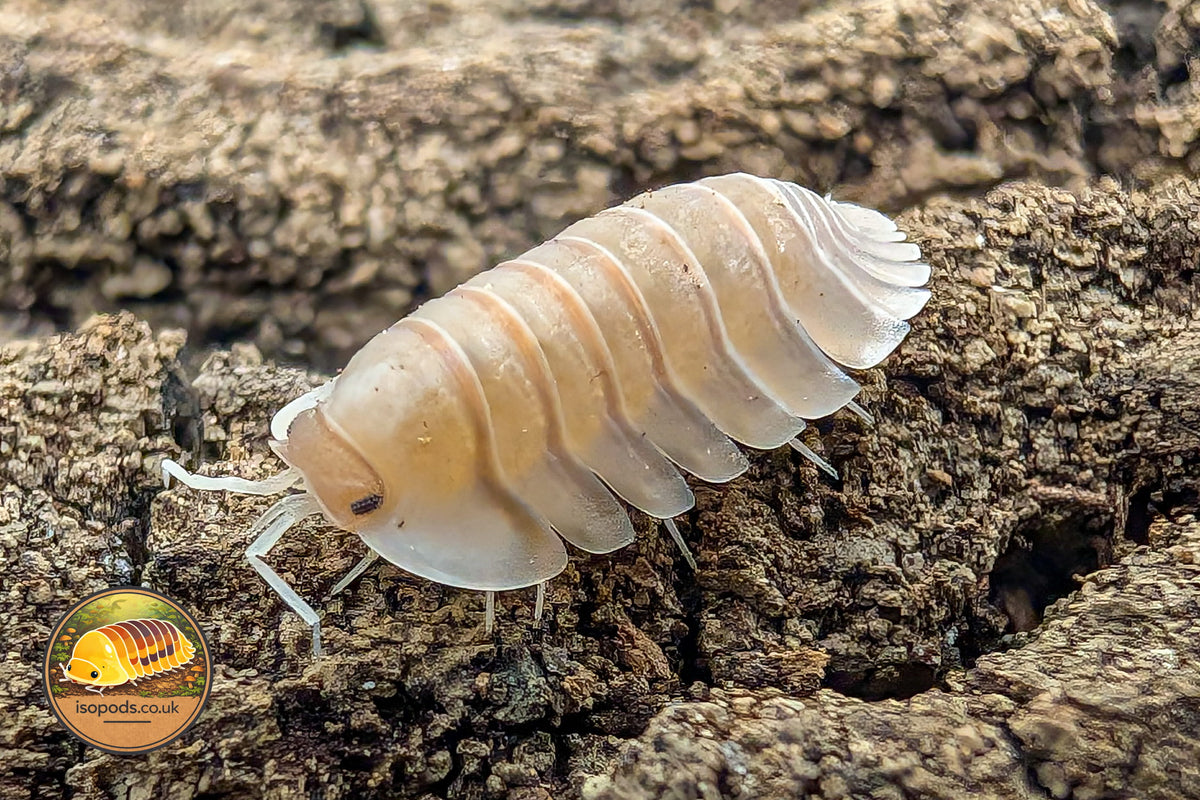
Troglodillo Herringbone Isopod
20 in stock
Regular price
£100.00 GBP
Sale price
£100.00 GBP
Regular price
Unit price
per
Tax included.
Shipping calculated at checkout.
Couldn't load pickup availability
- Fully secure checkout
- Trusted by thousands
- Rated and reviewed
Want next day delivery? Be quick!
You just missed it!
Question about this product?
We're happy to help.
Troglodillo Herringbone Isopods
Troglodillo Herringbone are best chosen for their pattern first. The repeated angled markings give them a herringbone or fishbone look, with a neat chevron-style effect that stands out far more than a plain cave-type isopod. For collectors who enjoy unusual body patterning rather than just colour alone, this is the main appeal.
In the enclosure, though, they should still be treated as Troglodillo: secretive, crevice-focused, and usually more interesting around bark edges, shaded gaps, and humid hard cover than out on bare substrate. They can be very rewarding once settled, but they are not a species to buy if you want constant open-floor visibility.
What makes Herringbone different
The strongest hook here is the body pattern. Instead of reading as a simple block colour or spotted form, Herringbone tends to draw attention through repeated angled markings that create a textile-like, bone-row, or chevron effect across the body. That makes this listing a better fit for buyers choosing with the eye as much as the care style.
-
Main appeal: Distinctive herringbone-style patterning with repeated angled markings. -
Typical behaviour: Quiet, shelter-focused, and quick to retreat after disturbance. -
Where you usually see them: Around bark gaps, cork edges, tight hides, and other covered humid spaces. -
What they need: Stable humidity, dark cover, leaf litter, rotting wood, calcium access, and fresh airflow.
How they use the enclosure
Troglodillo usually make more sense when you watch where they choose to sit rather than how often they cross the open. A settled colony may spend long periods tucked into cracks, under bark, or along the edge where damp substrate meets firm cover. That lower open visibility can be normal.
The better sign is whether they are using several sheltered places rather than being forced into one emergency refuge. If they appear under different bark pieces, in more than one humid hide, and around covered feeding spots, the enclosure is usually working. If the whole colony stays packed into one wet corner, the rest of the tub may be too dry, too open, or too stale to use.
Before you order
Prepare the enclosure around dark, humid hiding places rather than a flat damp tub. A Troglodillo setup usually works better with angled pieces of cork bark, a generous layer of leaf litter, and some rot wood so the colony can hide and graze under cover. A damp refuge should stay reliable, but the whole enclosure should not be soaked.
Fresh air matters as much as humidity. These are safer treated as humid but breathable isopods, not animals for a sealed wet box. Consistent calcium access is also worth providing, and limestone is a practical option for long-term support.
If you are still working out moisture balance, the guide on how to provide a moist side for isopods is a useful place to start.
Feeding expectations
Like other isopods, Herringbone should be fed through the enclosure first. Most of the diet should come from litter, decomposing material, mature substrate, and sheltered grazing surfaces rather than frequent rich foods. Fresh foods can be offered as support, but if the colony only responds when extras are added, the enclosure food base is usually too thin.
Because this genus often feeds more confidently near cover, food and long-term grazing material make more sense when placed close to bark, litter, and shaded edges rather than on a bare open patch. If you want a broader feeding refresher, what do isopods eat covers the detritus-first approach in more detail.
Who usually enjoys this species
This is a good match for keepers who enjoy patterned collector isopods, humid tropical-style setups, and quieter behaviour that becomes easier to appreciate once the enclosure is mature and well covered.
It is less suited to buyers who want immediate open visibility, sparse minimalist tubs, or a species that gives constant feedback by roaming across exposed substrate.
If you are comparing options
For more cave-style and crevice-using choices, browse the Troglodillo isopods collection. If you want another same-genus comparison, Troglodillo Lomina is a sensible next look. For broader long-term expectations around settling, growth, and enclosure stability, the Ultimate Guide to Isopod Colonies is a helpful follow-on read.
Ease of care
Preferred Temperature
Preferred Humidity
Popularity
Care Instructions
Care Instructions