🔥 Daily Isopod Auctions on WhatsApp! Grab species at auction prices, discover rare finds & join our growing community. Join Here
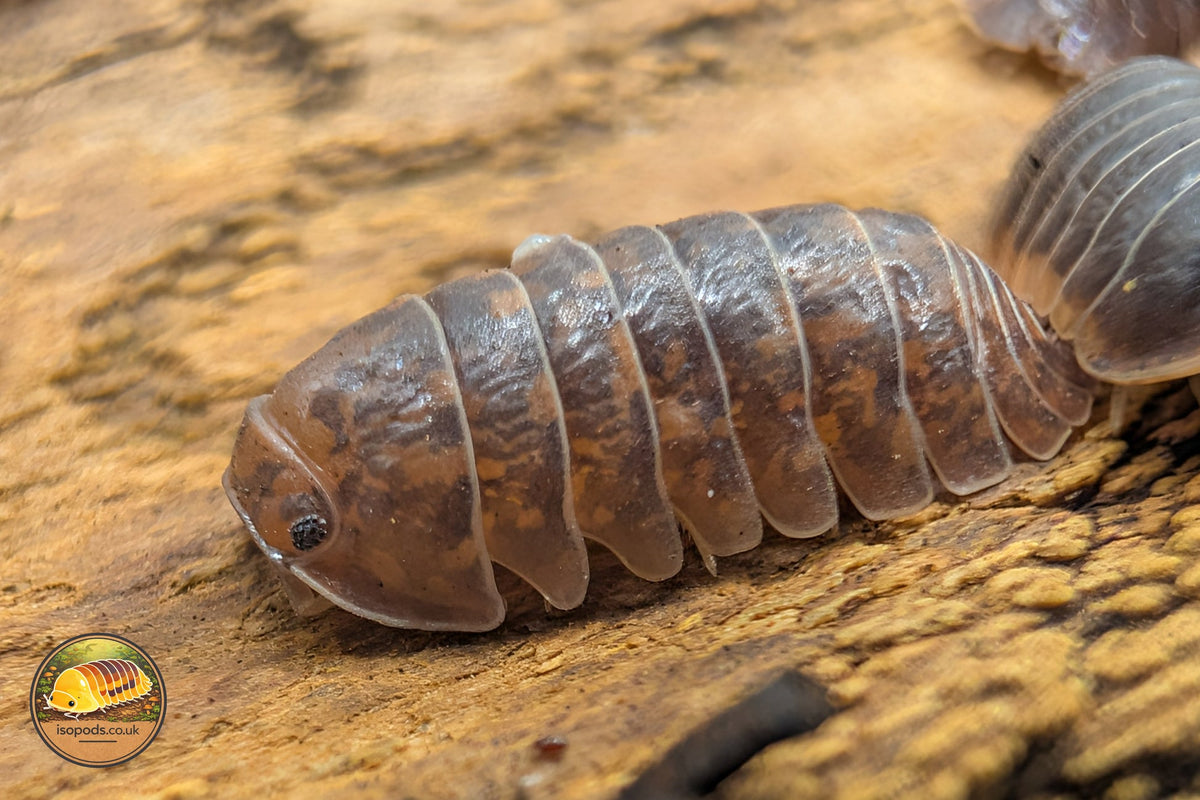
Filipinodillo nakar Isopod
Low stock! Only 10 left
Regular price
£25.00 GBP
Sale price
£25.00 GBP
Regular price
Unit price
per
Tax included.
Shipping calculated at checkout.
Couldn't load pickup availability
- Fully secure checkout
- Trusted by thousands
- Rated and reviewed
Want next day delivery? Be quick!
You just missed it!
Question about this product?
We're happy to help.
Filipinodillo nakar Isopods for Sale UK
Filipinodillo nakar stands out for its Philippine locality interest, sizeable build compared with many tropical isopods, and bold high-contrast patterning that gives it strong collector appeal. This is the kind of listing people usually choose for the look and presence of the species itself, not because they want a constantly visible enclosure animal.
In practice, Nakar is best treated as a specialist tropical isopod that wants stable warmth, steady humidity, deep cover, and a low-disturbance setup. Expect more bark-edge, leaf-litter, and sheltered-area use than open roaming, especially while the colony is settling.
What makes Nakar different
-
Locality interest: Positioned around Nakar, Quezon Province, Philippines -
Look: Bold Filipinodillo patterning with strong contrast rather than a plainer tropical appearance -
Size impression: A more sizeable-bodied option than many smaller tropical isopods -
Behaviour: Usually cautious, cover-loving, and better judged by enclosure use than constant surface activity -
Keeper style: Best suited to patient, collector-minded keepers who can leave the colony settled and undisturbed
Collector appeal and behaviour
This species makes most sense for buyers who enjoy locality-led tropical isopods with a stronger visual identity. Once settled, individuals may be found around bark undersides, sheltered litter edges, wood contact points, and damp covered spaces rather than spending long periods out on bare substrate.
That lower open visibility does not automatically mean the colony is struggling. Better signs include animals turning up in more than one covered area, quiet feeding near shelter, gradual use of leaf litter and wood, and the colony not being forced into one cramped wet corner.
Before you order
Prepare a cover-rich enclosure first. Nakar does better with a proper food base and several sheltered areas already in place, not a fresh sparse tub. A generous layer of leaf litter, pieces of cork bark, and some rot wood will give the colony places to hide, graze, and settle with less stress.
Keep one refuge reliably damp, but do not soak the whole enclosure. The rest of the tub should still have cover and usable floor space so the colony is not forced to choose between one wet corner and a bare dry side. Humid conditions still need fresh air: stale, muddy tubs are a bigger risk than a setup that is humid but breathable.
The current product record also supports lichen as part of the setup here, so accessible lichen-bearing surfaces should be treated as functional grazing support rather than decoration alone. A separate calcium source such as limestone can be left available as well.
Feeding expectations
Keep feeding detritus-led. Most of the diet should come from litter, wood, mature substrate, and other decomposing material already in the enclosure. Fresh foods can be offered in small amounts, but they should support the setup rather than become the main diet.
Nakar may feed quietly under cover, so do not judge the colony only by whether it rushes exposed food. If fresh food gets little attention but litter and wood are gradually being used, that can still be normal. For a broader overview, see what do isopods eat.
Who tends to enjoy this species
This is a stronger fit for keepers who like collector-oriented tropical isopods, appreciate locality value and patterning, and are comfortable reading subtle behaviour in a settled enclosure.
If you mainly want frequent open sightings, fast visual feedback, or a species to judge by exposed feeding response, this one may feel quieter than expected.
Compare before you choose
If you want to stay within the same group, browse Filipinodillo isopods or compare this listing with Filipinodillo Nakar Albino for a closely related alternative. If you are still deciding whether this kind of species suits your setup style, the Filipinodillo care guide is the best next read.
Ease of care
Preferred Temperature
Preferred Humidity
Popularity
Care Instructions
Care Instructions