🔥 Daily Isopod Auctions on WhatsApp! Grab species at auction prices, discover rare finds & join our growing community. Join Here
Cubaris Ice Flower Isopod
Low stock! Only 10 left
Regular price
£25.00 GBP
Sale price
£25.00 GBP
Regular price
Unit price
per
Tax included.
Shipping calculated at checkout.
Couldn't load pickup availability
- Fully secure checkout
- Trusted by thousands
- Rated and reviewed
Want next day delivery? Be quick!
You just missed it!
Question about this product?
We're happy to help.
Cubaris Ice Flower Isopods for Sale UK
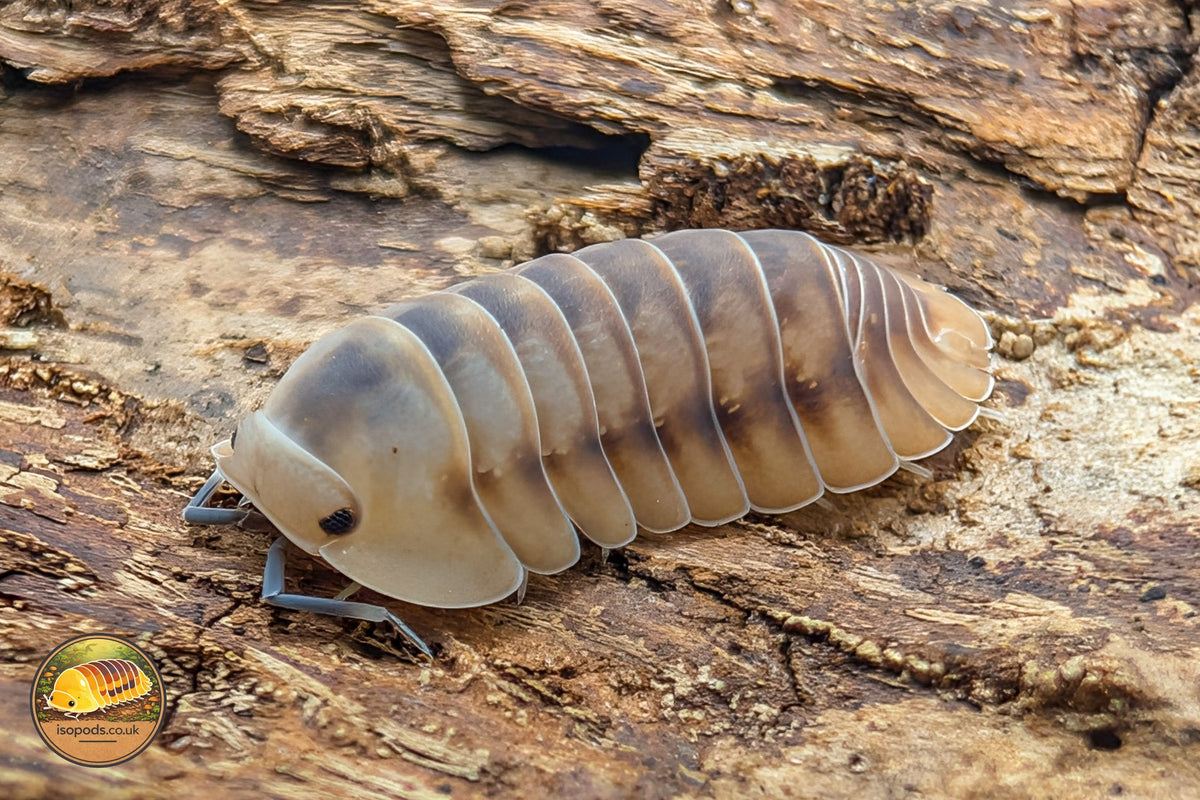
Cubaris Ice Flower stands out for its cool, frosted look rather than bold contrast or constant surface activity. Good colonies often show a soft mix of ice-white, pale cream, light grey, and faint blue-toned shading, giving them an ice-crystal or cool pastel effect rather than a flat pure white finish.
In keeper terms, this is still very much a Cubaris type: usually quiet, cover-focused, and more likely to settle under bark, within deep leaf litter, or around damp lower layers than roam openly across the tub. If you want a visually distinctive tropical species and you are happy to read behaviour through hidden feeding and enclosure use, Ice Flower can be a very rewarding choice.
What makes Ice Flower different
-
Colour impression: frosted, pale, and cool-toned rather than stark white. -
General behaviour: usually slow-moving, burrowing, and most comfortable under cover. -
Visibility: often seen around bark edges, leaf litter, or sheltered feeding spots rather than out on bare substrate. -
Setup style: suits a stable tropical enclosure with depth, cover, and a reliable damp refuge. -
Region style: best treated as a tropical Southeast Asian-type Cubaris rather than an exposed or airy temperate species.
Enclosure style that suits them
Ice Flower does best when the enclosure gives it several protected places to choose from, not one wet corner doing all the work. A deeper substrate that stays moist below the surface, a broad layer of leaf litter, and bark or cork bark for shaded undersides all help this species settle and spread more naturally.
The damp area should stay reliably humid without turning the whole tub soggy. A drier side still matters, but it should remain usable with litter and cover rather than becoming bare open ground. Fresh air is important too: this species usually responds better to a humid enclosure that smells earthy and clean than to a sealed wet tub that turns stale.
If you need a broader refresher on balancing moisture, cover, and airflow, the isopod habitat setup guide is the best next read before ordering.
Feeding and long-term support
Like other Cubaris, Ice Flower should be treated as detritus-first. The real food base should come from leaf litter, mature substrate, and sheltered grazing surfaces, with rot wood adding both food value and extra cover. Fresh foods can be offered in small amounts, but they should stay secondary to the enclosure itself.
Steady mineral access is also worth providing. A piece of limestone on a drier section can help give the colony ongoing calcium support without making the feeding area messy or wet.
Before you order
- Make sure the enclosure already has deep substrate, plenty of leaf litter, and more than one bark or cork hide.
- Set up a damp refuge that stays moist below the surface without soaking the whole tub.
- Leave enough cover across the enclosure that the colony can move without crossing too much exposed ground.
- Expect subtle behaviour at first, especially while the colony is settling in.
Who usually enjoys this species most
Ice Flower tends to suit keepers who like refined colour, quieter tropical species, and the slower satisfaction of checking bark, litter, and hidden feeding areas rather than expecting constant display behaviour. It is a better match for patient observation than for buyers who mainly want obvious open movement every day.
If your priority is browsing more of this sheltered tropical style, see the wider Cubaris isopods collection. If you are comparing cooler-toned Cubaris types, Cubaris Blue Pigeon is a useful next species to look at for a different take on pale, collector-focused colour.
Ease of care
Preferred Temperature
Preferred Humidity
Popularity
Care Instructions
Care Instructions