🔥 Daily Isopod Auctions on WhatsApp! Grab species at auction prices, discover rare finds & join our growing community. Join Here
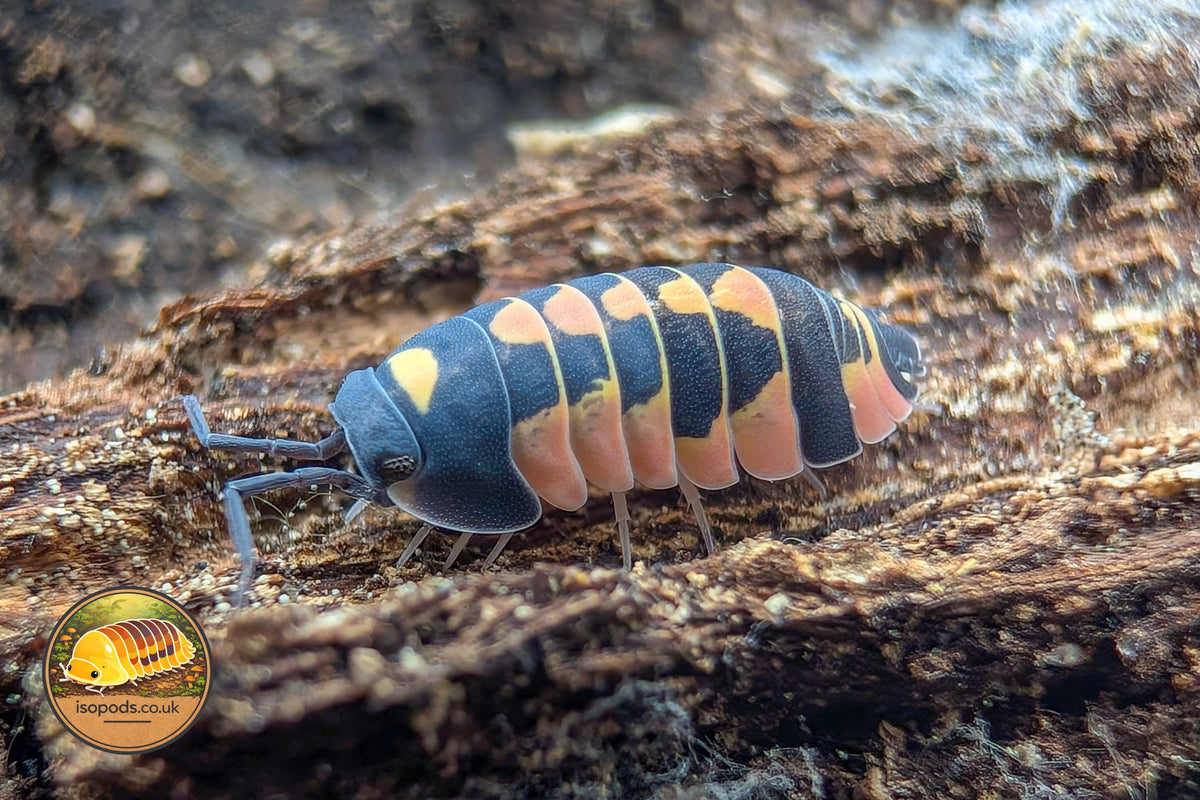
Ardentiella Pink Hornet Isopod
Out of stock
Regular price
£150.00 GBP
Sale price
£150.00 GBP
Regular price
Unit price
per
Tax included.
Shipping calculated at checkout.
Couldn't load pickup availability
- Fully secure checkout
- Trusted by thousands
- Rated and reviewed
Want next day delivery? Be quick!
You just missed it!
Sorry, it's out of stock.
But we can let you know when it's back in.
Question about this product?
We're happy to help.
Sold out
Ardentiella Pink Hornet Isopods
Ardentiella Pink Hornet stands out for its sharper, hornet-like contrast: pink-toned highlights set against a darker base, with a look that feels bolder and more graphic than soft pastel Ardentiella lines. For many keepers, the draw is not just the colour but the way this type can use cork, bark, branches, and other raised cover once it feels secure.
Best approached as a humid tropical Ardentiella with active climbing tendencies, Pink Hornet suits a setup with angled cork bark, leaf cover, decaying wood, and fresh air moving through the enclosure. It can be more visually rewarding than very hidden tropical genera, but it should still not be bought on the expectation of constant open-floor activity or identical pink intensity in every individual.
What makes Pink Hornet appealing
-
Look: pink-toned markings against a darker body for a stronger hornet-style contrast. -
Behaviour: often more interesting on bark faces, cork edges, branches, and sheltered raised routes than on bare substrate. -
Viewing style: better for keepers who enjoy watching isopods use cover and vertical surfaces rather than expecting nonstop open display. -
Setup bias: humid tropical conditions with strong ventilation, a damp refuge, and plenty of usable bark and litter.
How they tend to use the enclosure
Pink Hornet is best treated as a semi-arboreal Ardentiella type rather than a floor-only tropical isopod. Once settled, individuals may be easier to spot along cork edges, on angled bark, against decaying wood, or around lichen-bearing surfaces than out in the middle of open ground.
That does not mean they will always be visible. A healthy colony may still disappear into bark gaps, leaf litter, and shaded undersides for long periods, especially after disturbance. More cover often improves observation over time because the enclosure feels safe enough for normal movement.
Before you order
Prepare the enclosure around usable surfaces, not just damp substrate. A good starting point is a thick layer of leaf litter, pieces of bark or cork set at angles, decomposing wood, and a clear humid refuge that stays damp without soaking the whole tub. Pink Hornet usually makes more sense in a layered, breathable setup than in a flat box with one hide.
A pocket of sphagnum moss can help keep one refuge stable, while rot wood adds both long-term grazing and sheltered contact points around the lower enclosure. If you want a broader walkthrough on balancing moisture, cover, and airflow, the isopod habitat setup guide is the best next read.
Calcium should also be available consistently. A simple source such as limestone supports long-term enclosure support better than treating minerals as an occasional extra.
Feeding notes
Like other Ardentiella, Pink Hornet should be fed through the enclosure first. The main diet should come from leaf litter, rotting wood, mature substrate, and the aged surfaces they graze under cover. Lichen-bearing sticks or bark can be useful where they are placed so the colony can reach them without sitting fully exposed.
Fresh foods can be offered sparingly, but they should stay secondary. If the enclosure only seems active when rich food is added, the litter and wood base is usually too weak. For a fuller feeding breakdown, see what do isopods eat.
Who usually enjoys this species most
This is a strong fit for collectors and display-minded keepers who like sharper pattern contrast and who enjoy seeing isopods climb cork, branches, and covered raised surfaces. It is also a good choice for buyers already planning a humid tropical enclosure with ventilation, bark, and a deeper detritus base rather than a sparse tub.
It is less suited to buyers who want a species that stays out in plain view all day, or to setups that are bare, flat, or kept wet and stuffy. If the enclosure offers only one damp corner and a lot of exposed floor, this species is unlikely to show its more interesting behaviour.
Compare before you choose
If you want to stay within the same look and genus, Ardentiella Yellow Hornet is the clearest comparison. If you want to browse similar bark-using tropical options first, the Ardentiella isopods collection is the best place to compare different colour lines and enclosure styles. If you are still deciding whether this humid, bark-heavy approach suits you, the broader tropical isopods guide helps frame what these species usually need in practice.
Ease of care
Preferred Temperature
Preferred Humidity
Popularity
Care Instructions
Care Instructions