🔥 Daily Isopod Auctions on WhatsApp! Grab species at auction prices, discover rare finds & join our growing community. Join Here
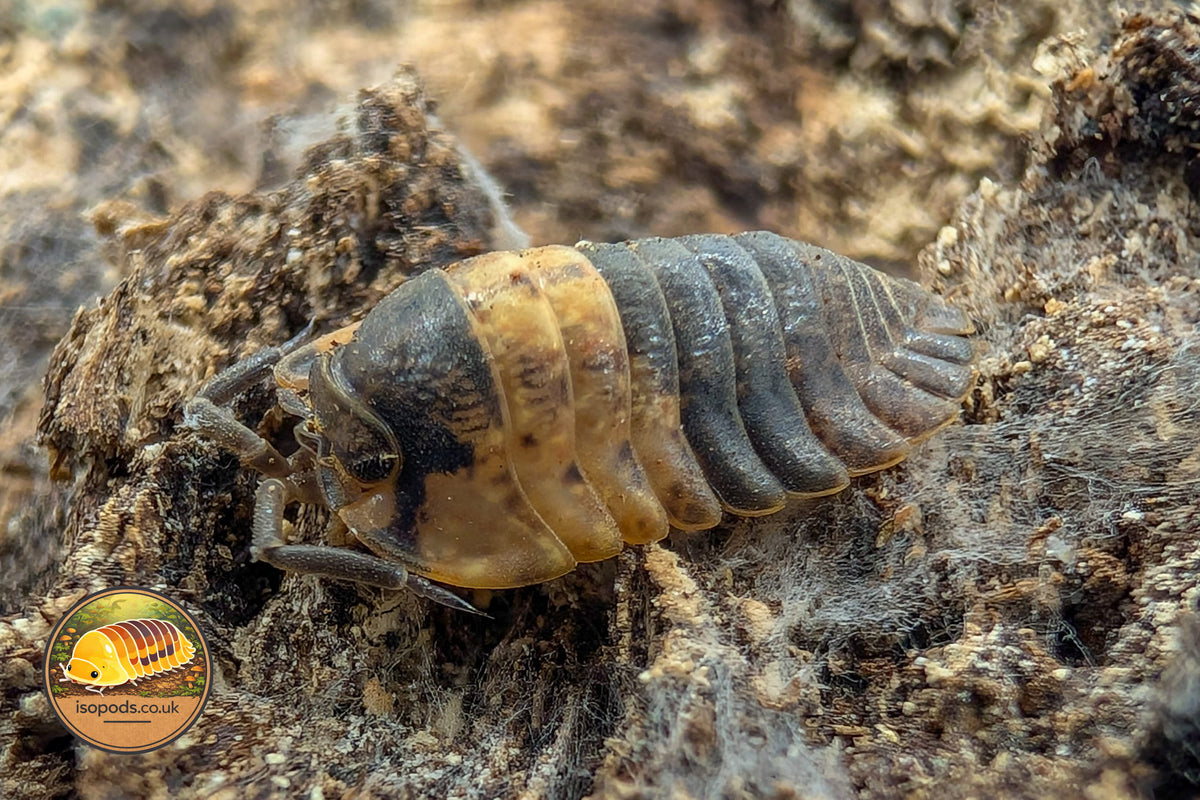
Adinda Grizzly Bear Isopod
Low stock! Only 2 left
Regular price
£100.00 GBP
Sale price
£100.00 GBP
Regular price
Unit price
per
Tax included.
Shipping calculated at checkout.
Couldn't load pickup availability
- Fully secure checkout
- Trusted by thousands
- Rated and reviewed
Want next day delivery? Be quick!
You just missed it!
Question about this product?
We're happy to help.
Adinda Grizzly Bear Isopods for Sale UK
Adinda Grizzly Bear stands out for a chunky, characterful look rather than bright contrast. The "Grizzly Bear" name fits the overall impression well: warm natural tones, a broader-bodied feel, and a calm collector appeal that suits keepers who enjoy subtler tropical species.
Its other big hook is behaviour. This Adinda is known for becoming extremely still when disturbed, sometimes seeming to play dead, so a motionless individual is not automatically a sign that something is wrong. In practice, this is best approached as a quieter, wood-loving species that makes more sense in a settled tropical enclosure with cover, damp shelter, and low disturbance than in a sparse tub built for constant open viewing.
What makes Grizzly Bear different
-
Visual style: chunky-bodied, warm-toned, and more characterful than flashy. -
Behaviour hook: may freeze or "play dead" when disturbed. -
General visibility: usually better found under bark, leaf litter, and wood than out on bare substrate. -
Setup bias: suits a humid, wood-rich enclosure with clean airflow. -
Collector appeal: a calm Adinda with a distinct look and feel.
How to read their behaviour
This is not a species to judge by constant movement. Adinda Grizzly Bear is more likely to settle around bark edges, rotten wood, deep litter, and shaded damp cover than to roam openly across the tub. If you check on them and one stays very still, that can be a normal defence response rather than a health problem.
More useful signs are gradual ones: leaf litter being worn down, individuals turning up in more than one covered area, and the colony using wood-rich floor spaces instead of being packed into one emergency corner. If the whole group stays compressed into one damp patch, the rest of the enclosure may be too dry, too exposed, or too weak in litter and wood to feel safe enough to use.
Preparing the enclosure
Before ordering, set up the enclosure around a humid lower layer with several sheltered places to sit close to moisture. A thick layer of leaf litter should cover much of the surface, with low bark or cork bark pieces creating shaded undersides and covered routes. Rot wood is especially useful here because it adds both feeding value and the kind of floor-level shelter Adinda tend to use well.
The damp refuge should stay moist below the surface without turning the whole tub wet. Add a humid pocket with sphagnum moss, but keep enough airflow that the enclosure still smells fresh and earthy rather than stale. Calcium should also be available consistently, so adding limestone is a sensible preparation step for long-term support.
If you want a broader guide before setting the colony up, the isopod habitat setup guide explains how to balance moisture, cover, and airflow without making the enclosure swampy.
Feeding priorities
This species should be fed from the enclosure first. The main food base should come from litter, decomposing wood, and mature organic substrate rather than repeated fresh foods. Quiet species often do much of their feeding under cover, so a low visible response to extras does not automatically mean poor feeding.
Fresh foods and supplements can still be used carefully, but they should stay secondary to the long-term detritus base. If you want a fuller breakdown of what should carry the diet, see what do isopods eat.
Best suited to
Adinda Grizzly Bear is likely to appeal most to keepers who enjoy collector-oriented tropical species, calmer enclosure behaviour, and wood-and-litter setups that reward patient observation. The Vietnam association and distinctive overall look add to that appeal, but this still works best as a species for someone happy to let the enclosure do the talking rather than expecting bold display activity.
It is less likely to satisfy buyers who want frequent open sightings, heavy food response on demand, or a species that looks most impressive in a sparse display-style tub.
Compare before you choose
If you want a more openly different tropical comparison, Cubaris Sagolo is worth viewing as another sheltered humidity-led option with a different collector feel. If you want a clearer contrast in observation style, Armadillidium Lefkada gives a less wood-focused alternative. You can also browse the wider all isopods collection if you are still deciding what kind of colony experience you want.
Ease of care
Preferred Temperature
Preferred Humidity
Popularity
Care Instructions
Care Instructions