🔥 Daily Isopod Auctions on WhatsApp! Grab species at auction prices, discover rare finds & join our growing community. Join Here
Cubaris Thai Blue Angel Isopod
Low stock! Only 10 left
Regular price
£10.00 GBP
Sale price
£10.00 GBP
Regular price
Unit price
per
Tax included.
Shipping calculated at checkout.
Couldn't load pickup availability
- Fully secure checkout
- Trusted by thousands
- Rated and reviewed
Want next day delivery? Be quick!
You just missed it!
Question about this product?
We're happy to help.
Cubaris Thai Blue Angel Isopods for Sale UK
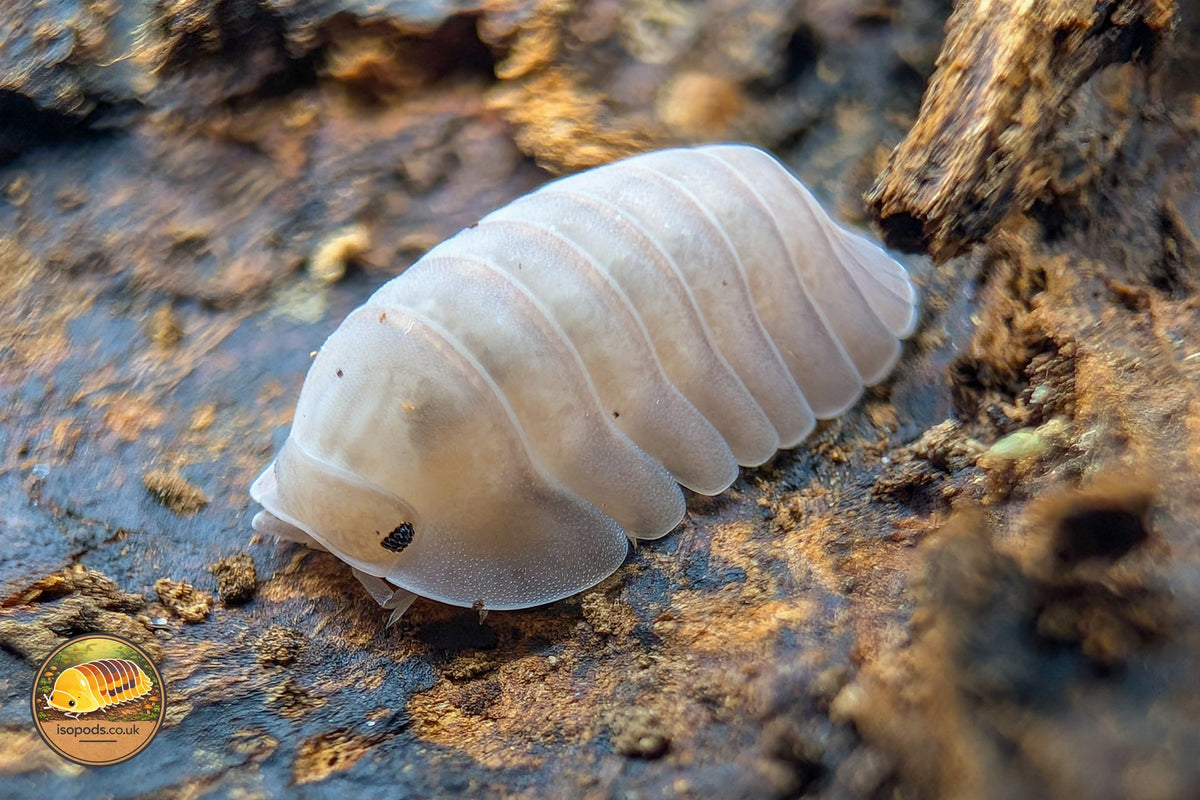
Cubaris Thai Blue Angel stands out for its cool-toned look and Thailand locality appeal. In a settled colony, individuals can show blue-grey to soft blue tones with cream or white banding, sometimes with a faint iridescent sheen that gives them a smooth, refined appearance. As with many hobby lines, colour can vary from animal to animal, so it is best chosen for the overall look of the line rather than expecting every individual to match exactly.
Behaviour-wise, this is a shy, shelter-focused Cubaris. Expect them to spend more time under bark, in leaf litter, and around humid covered areas than out on open substrate. They may be easier to spot in the evening or once the colony has settled, but this is still a species better suited to keepers who enjoy subtle enclosure behaviour rather than constant surface activity.
What makes Thai Blue Angel appealing
-
Colour impression: cool blue-grey to soft blue tones with pale banding and occasional subtle iridescence -
Overall look: smooth, clean, refined appearance rather than a bold high-contrast pattern -
Locality interest: Thailand is part of the appeal for keepers who enjoy locality-linked Cubaris lines -
Behaviour style: quiet, cover-loving, and often more visible around sheltered areas than on bare floor
What to expect in the enclosure
Thai Blue Angel is usually found under cork, under bark, within deeper leaf litter, or close to the damp lower layers. Low open visibility is not unusual here. A healthy colony may still spend long periods hidden, especially while settling, so it is better judged by gradual litter use, quiet feeding under cover, and animals turning up in more than one sheltered spot.
When the enclosure is working well, they often use bark edges, humid hiding places, and covered routes between the damp and drier areas. If the whole colony stays packed into one wet corner or beneath one hide only, the rest of the tub may be too dry, too exposed, or too stale to use comfortably.
Before you order
Prepare a tropical Cubaris setup with depth, cover, and a dependable damp refuge. A deeper substrate helps the lower layers stay humid for longer, while bark or cork pieces create shaded undersides where the colony can rest and feed. Add rot wood as part of the enclosure itself rather than treating it as an extra, because it supports both shelter and long-term grazing.
The humid area should stay damp without turning the whole tub wet. A pocket of sphagnum moss can help hold that refuge, but it works best as one stable moist area rather than spread across everything. Fresh air still matters: this species suits a humid enclosure that smells earthy, not a sealed tub that becomes sour or muddy. If you want a deeper look at moisture and substrate depth, How Deep Should Isopod Substrate Be? is a useful next read.
Feeding priorities
Like other Cubaris, Thai Blue Angel should be treated as detritus-first. The main food base should come from leaf litter, rotting wood, and mature organic substrate, with fresh foods used as extras rather than the foundation. If the colony only seems interested when rich foods are added, the enclosure usually needs a stronger long-term food base rather than more treats.
Steady mineral access is also worth providing, and limestone is a simple way to keep calcium available. For a broader overview of what should make up the diet, see what do isopods eat.
Who usually enjoys this species most
This Cubaris makes the most sense for keepers who like locality-linked tropical species, appreciate cooler understated colouration, and do not mind lifting bark or checking leaf litter for their best sightings. It suits a patient style of keeping where the reward is in watching a colony settle into a well-prepared enclosure over time.
If you want an isopod that spends more time crossing open ground or gives quicker visible feedback, this one may feel too reserved.
Compare before you decide
If you are browsing similar sheltered tropical options, the wider Cubaris isopods collection is the best place to compare styles. For another same-genus option with a different visual character, Cubaris Bumblebee is a sensible next comparison.
Ease of care
Preferred Temperature
Preferred Humidity
Popularity
Care Instructions
Care Instructions