🔥 Daily Isopod Auctions on WhatsApp! Grab species at auction prices, discover rare finds & join our growing community. Join Here
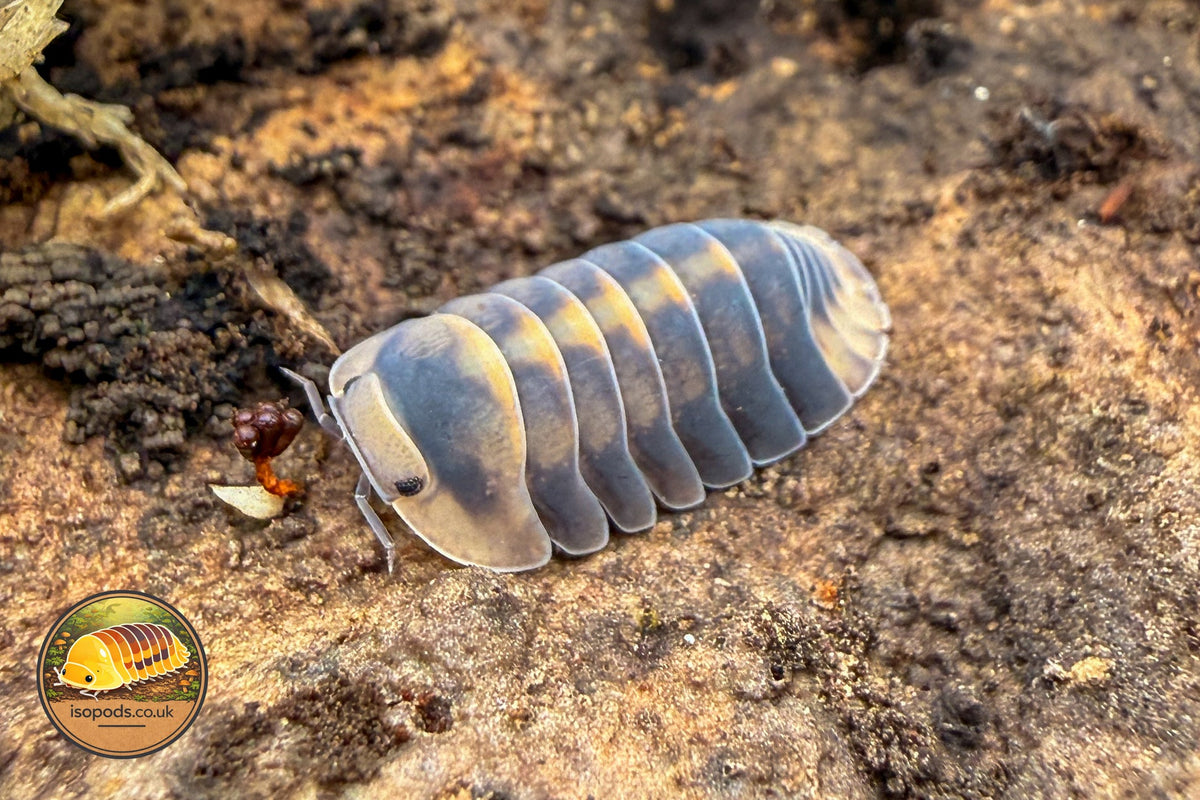
Cubaris Rusty Ducky Isopod
Out of stock
Regular price
£150.00 GBP
Sale price
£150.00 GBP
Regular price
Unit price
per
Tax included.
Shipping calculated at checkout.
Couldn't load pickup availability
- Fully secure checkout
- Trusted by thousands
- Rated and reviewed
Want next day delivery? Be quick!
You just missed it!
Sorry, it's out of stock.
But we can let you know when it's back in.
Question about this product?
We're happy to help.
Sold out
Cubaris Rusty Ducky Isopods for Sale UK
Cubaris Rusty Ducky stands out as the earthy, rust-toned take on the familiar ducky-style Cubaris look. It keeps the rounded body shape and recognisable duck-like face that collectors love, but swaps pale yellow tones for deeper orange-brown, rusty, more grounded colouring.
In keeping terms, this is still a specialist Cubaris style rather than a constant display isopod. Expect a colony that spends much of its time under bark, leaf litter, and other sheltered humid areas, especially while settling. The appeal here is the look, the collector value, and the satisfaction of keeping a quieter tropical species well.
What makes Rusty Ducky different
-
Look: ducky-type face and rounded Cubaris shape with richer rust and orange-brown tones. -
Visibility: usually seen under cover more often than out on open substrate. -
Behaviour: shelter-focused, calm, and often slow to establish after arrival. -
Setup style: deep substrate, heavy litter, bark hides, rotting wood, and one reliable damp refuge. -
Keeper expectation: better for patient collectors than buyers wanting frequent open activity.
Collector appeal
Among ducky-style Cubaris, Rusty Ducky is best chosen for tone and character. The colour is more earthy than bright, which gives it a very different feel from yellower ducky forms. If you enjoy the Thailand and Southeast Asian ducky-style Cubaris look but want something less pale and more grounded in colour, this is an easy one to understand at a glance.
How they usually behave
Like many Cubaris, they are often most comfortable under cover: beneath bark, in deeper leaf litter, around rot wood, and in protected damp pockets rather than out on bare floor. Brief sightings around food or bark edges can happen once the colony is settled, but low open visibility is normal.
That does not automatically mean the colony is struggling. More useful signs are whether they use several hidden areas, whether leaf litter is gradually being grazed, and whether the enclosure stays fresh and earthy rather than sour. If everything crowds into one wet corner, the rest of the tub may be too dry, too bare, or too stale to use comfortably.
Before you order
Rusty Ducky does best when the enclosure is prepared in advance rather than built around them after arrival. A deeper substrate layer, plenty of leaf litter, firm cover such as cork bark, and a damp refuge with some airflow will give them a much safer start.
The aim is not a soaked tub. A better setup keeps one humid refuge reliable while the rest of the enclosure stays covered and usable. Steady mineral access is also worth providing; limestone is a practical long-term option for Cubaris where you want calcium available all the time. If you want a broader setup refresher before ordering, the isopod habitat setup guide is the best next read.
Feeding priorities
The main diet should come from the enclosure itself: leaf litter first, then decomposing wood, mature substrate, and the microbial films that build up over time. Fresh foods can be offered lightly, but they should not replace the detritus base.
Rusty Ducky may feed quietly under cover, so dramatic food response is not the best way to judge success. If you want a fuller breakdown of what should make up the diet, see what do isopods eat.
Who will enjoy this species most
This is a strong fit for keepers who enjoy collector Cubaris, subtle enclosure behaviour, and slower, steadier colony development. It is less suitable for anyone hoping for frequent daytime display, sparse setups, or a species that copes well with repeated checking and disturbance.
Compare before you choose
If you want to browse more sheltered tropical options, start with the Cubaris isopods collection. If you are comparing ducky-style Cubaris directly, Cubaris Rubber Ducky is the clearest next reference point, with a more classic ducky look beside Rusty Ducky's deeper earthy tones.
Ease of care
Preferred Temperature
Preferred Humidity
Popularity
Care Instructions
Care Instructions