🔥 Daily Isopod Auctions on WhatsApp! Grab species at auction prices, discover rare finds & join our growing community. Join Here
Cubaris Plantin Tung Sung Isopod
Low stock! Only 10 left
Regular price
£25.00 GBP
Sale price
£25.00 GBP
Regular price
Unit price
per
Tax included.
Shipping calculated at checkout.
Couldn't load pickup availability
- Fully secure checkout
- Trusted by thousands
- Rated and reviewed
Want next day delivery? Be quick!
You just missed it!
Question about this product?
We're happy to help.
Cubaris Plantin Tung Sung Isopods for Sale UK
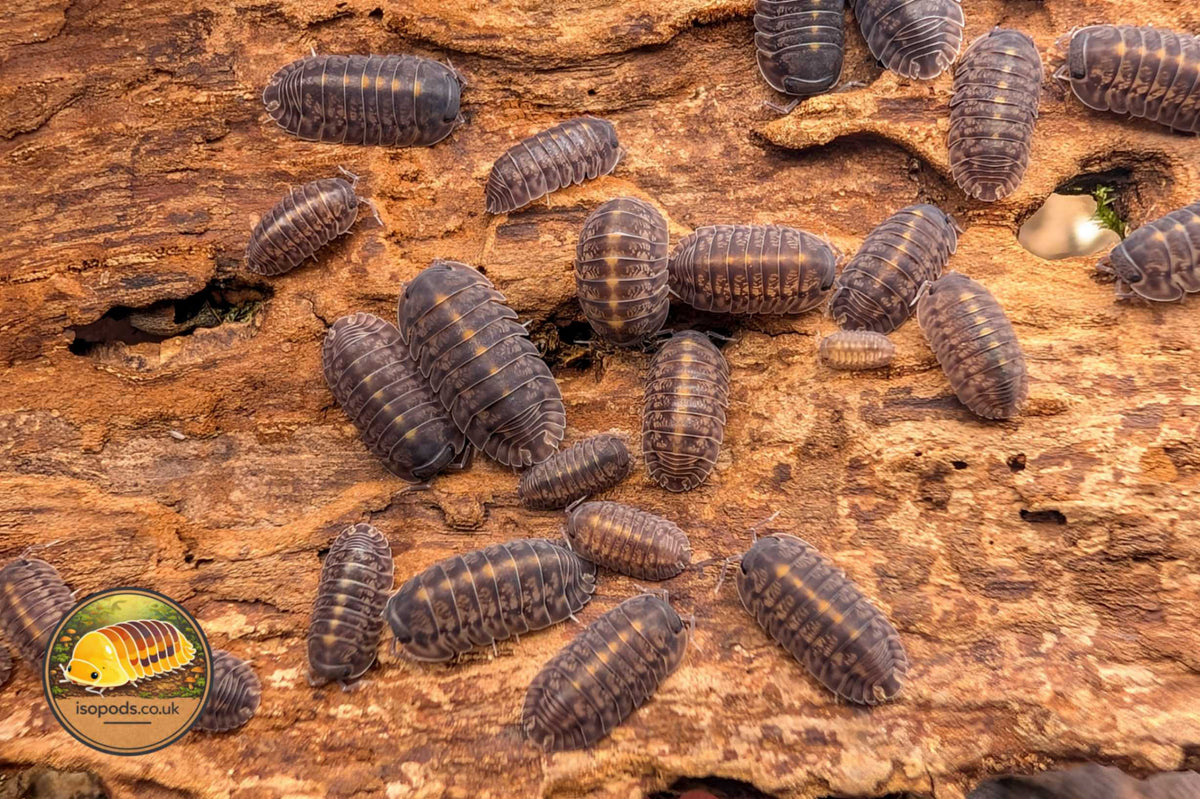
Cubaris Plantin Tung Sung is chosen less for loud contrast and more for a refined, collector-style look. This Thai locality-associated Cubaris is typically appreciated for cool grey, bronze-grey, or platinum-toned colouring with softer pale or golden patterning, giving it a more understated appearance than brighter hobby favourites.
In keeper terms, this is usually a shy, quick, cover-oriented Cubaris that suits a humid, well-layered enclosure with bark, leaf litter, rotting wood, and a dependable damp refuge. If you enjoy subtle tropical species with locality interest from Tung Song, Thailand, this is often a more satisfying choice than a species bought purely for constant visibility.
What stands out about Plantin Tung Sung
-
Look: elegant metallic or platinum-toned grey rather than bold high-contrast colour. -
Feel in the enclosure: usually quick to retreat and more often found under cover than out on open substrate. -
Collector appeal: attractive for buyers who like smaller, refined Cubaris with locality interest. -
Normal visibility: expect sightings around bark edges, litter, and sheltered damp areas more than frequent open roaming.
How they usually behave
Plantin Tung Sung are best judged by where they settle and feed, not by how often they sit in the open. You are more likely to find them under bark, within deep leaf litter, close to damp moss, or around sheltered feeding spots than walking across bare floor space. A quiet colony is not automatically a problem if the enclosure smells clean, the damp refuge stays reliable, and the animals are using more than one covered area over time.
Low visibility becomes more concerning when the whole colony is packed into one last wet corner, or when most of the enclosure stays unused. That often points to a setup issue such as exposed dry areas, stale wet substrate, or too little cover outside the humid side.
Setup that suits this species
This Cubaris usually does best in a covered tropical-style setup with a clear damp refuge and a drier side that is still usable. The enclosure should not be wet from end to end. Instead, keep one side reliably moist below the surface, then give the rest of the tub enough leaf litter and hiding places that the colony can move and feed without crossing bare open ground.
A generous layer of leaf litter matters here, along with pieces of cork bark for shaded undersides and tight hiding spaces. Adding rot wood also helps because it gives the colony long-term grazing value as well as extra sheltered places to rest and feed. A damp pocket of sphagnum moss can help hold moisture, but it should support one humid refuge rather than turning the whole enclosure soggy.
Fresh air still matters. This species usually responds better to humid but clean-smelling conditions than to a sealed wet tub. If the substrate turns muddy, smells sour, or stays heavily condensed, the enclosure is likely too wet overall. If that is a common problem in your setups, this guide to overly wet isopod substrate is a useful next step.
Feeding and long-term support
Like other Cubaris, Plantin Tung Sung should be treated as detritus-first. The main diet should come from leaf litter, decomposing wood, and mature substrate rather than repeated rich feeding. Visible feeding may be limited because much of their grazing often happens under cover.
Supplemental foods can still be offered in small amounts, but they work best as extras rather than the foundation of the diet. Consistent calcium access is also worth providing, and limestone is a natural fit for long-term mineral support in many Cubaris setups.
Before you order
- Prepare a humid refuge that stays damp without soaking the whole tub.
- Use deep leaf litter and more than one piece of bark or cork cover.
- Build in rotting wood from the start rather than relying only on fresh foods.
- Make sure the enclosure has airflow and does not stay stale or swampy.
- Expect a species that rewards patient observation more than constant display.
Who tends to enjoy this Cubaris most
Plantin Tung Sung is usually a better match for keepers who like refined colour, locality-associated lines, and subtle tropical enclosure behaviour. It may be less satisfying for buyers who mainly want bold feeding responses or frequent open activity. If your preference is for elegant, quieter Cubaris rather than louder-patterned display pieces, this species makes more sense.
Compare before you decide
If you want to stay within the same genus, browse more Cubaris isopods for comparison. If you are still deciding whether this kind of humid, cover-heavy setup suits your enclosure style, the broader tropical isopods range is a good next step. For buyers who want more detailed genus-level care context before choosing, the Cubaris care guide helps set realistic expectations.
Ease of care
Preferred Temperature
Preferred Humidity
Popularity
Care Instructions
Care Instructions