🔥 Daily Isopod Auctions on WhatsApp! Grab species at auction prices, discover rare finds & join our growing community. Join Here
Armadillo tuberculatus Isopod
Low stock! Only 3 left
Regular price
£17.00 GBP
Sale price
£17.00 GBP
Regular price
Unit price
per
Tax included.
Shipping calculated at checkout.
Couldn't load pickup availability
- Fully secure checkout
- Trusted by thousands
- Rated and reviewed
Want next day delivery? Be quick!
You just missed it!
Question about this product?
We're happy to help.
Armadillo tuberculatus Isopods for Sale UK
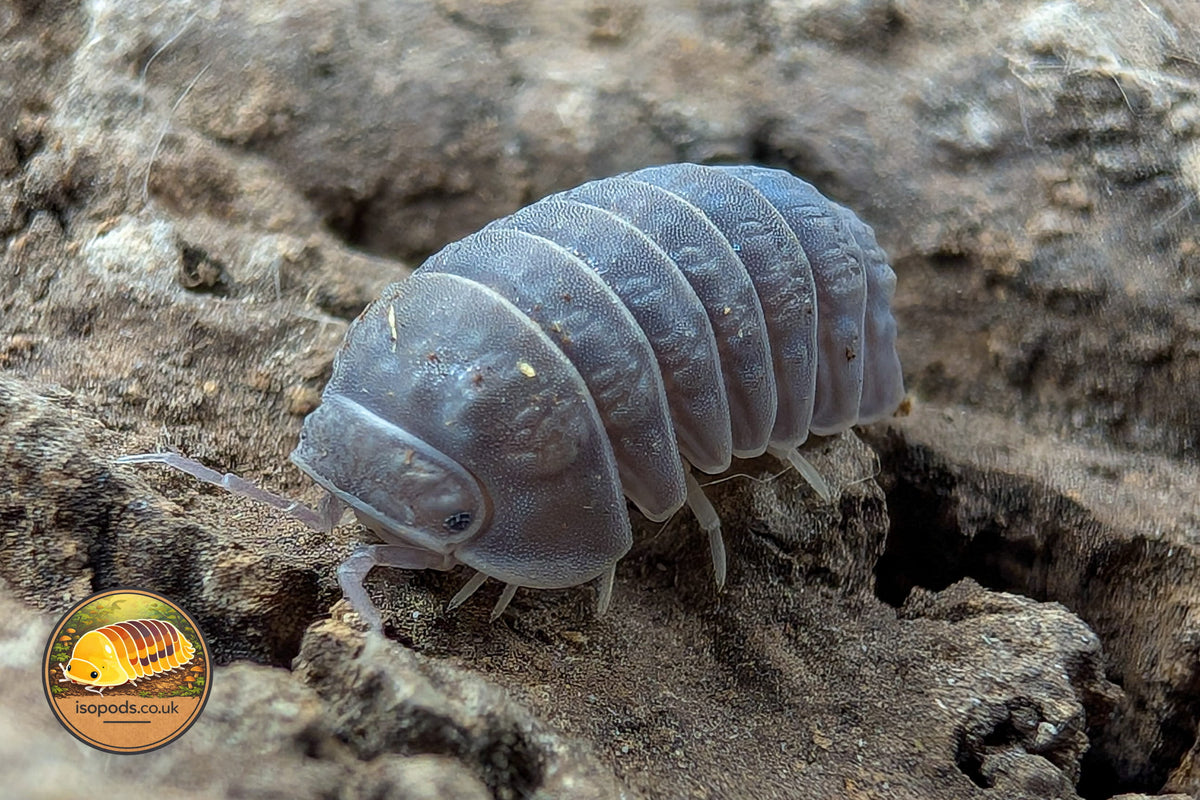
Armadillo tuberculatus stands out for texture rather than bright colour. Juveniles can show a noticeably spikier look, while older animals develop a harder, bumpier armoured appearance over later moults, making this a particularly interesting species for keepers who enjoy shape, surface detail, and age-related change within a colony.
In enclosure terms, this is best approached as a cover-using Armadillo rather than an always-out display isopod. Give it leaf litter, bark, decaying wood, steady moisture, calcium access, fresh air, and a clear damp-to-drier choice, and judge the colony by how it uses sheltered areas over time rather than by constant open activity.
What makes this species different
-
Main visual hook: a hard, textured look instead of flashy colour. -
Juveniles: often most striking for their spikier outline. -
Adults: tend to look bumpier and more armoured with age. -
Keeper appeal: rewarding if you enjoy watching a colony change in texture as it matures. -
Visibility style: better treated as a sheltered, cover-using species than a constant open roamer.
How they usually use the enclosure
Armadillo are safest treated as calm, cover-focused rollers, and Armadillo tuberculatus fits that broad pattern well. Expect them to spend time under leaf litter, against bark undersides, around wood, and in shaded floor-level cover rather than sitting out on bare substrate for long periods.
That does not mean a quiet colony is failing. A healthy setup usually shows them using more than one sheltered area, with movement between the damp refuge and the drier side when the enclosure feels secure. If the whole colony stays packed into one damp corner, the rest of the tub may be too open, too dry, or too stale to use comfortably.
Setup that suits Armadillo tuberculatus
This species suits an enclosure with plenty of surface cover and a clear moisture gradient. Use a stable substrate, a substantial layer of leaf litter, pieces of cork bark or bark hides, and some rot wood so the colony has sheltered places to rest and graze.
Keep one refuge damp below the surface, with moss if helpful, but avoid turning the whole tub wet. The drier side should still be usable, with litter and cover rather than a bare exposed patch. That balance usually makes more sense than either a dry empty box or a sealed wet tub.
Reliable mineral support is also worth building in from the start. A steady calcium source such as limestone fits well with a species chosen for its hard, armoured look and repeated moulting through different growth stages. If you want a broader walkthrough for moisture, cover, and airflow, see the isopod habitat setup guide.
Before you order
Prepare the enclosure first rather than building it around the colony after arrival. The most useful basics here are deep enough leaf litter to cover much of the surface, several bark hides, a damp refuge that stays moist without becoming muddy, decaying wood for long-term grazing, and enough airflow to keep the enclosure fresh.
If your current tub is very sparse, evenly wet, or has only one hide, it is worth correcting that before adding this species. Armadillo tuberculatus is likely to be more satisfying when it has several safe places to choose from.
Feeding notes
The main diet should still come from the enclosure itself: leaf litter, decomposing wood, mature substrate, and the natural films that build up on those materials. Fresh foods can be offered in small amounts, but they should stay secondary to the detritus base.
If you are unsure whether your food base is strong enough, the what do isopods eat guide is a useful next read. In practice, steady grazing on litter and wood is a better sign than waiting for dramatic responses to extras.
Who tends to enjoy this species most
Armadillo tuberculatus is a good fit for keepers who like unusual body texture, armoured rollers, and slower visual rewards that come from watching a colony mature. It makes more sense for someone who enjoys checking bark edges, litter layers, and subtle enclosure use than for someone shopping mainly for bold colour or constant daytime display.
If you prefer more immediate open visibility, one of the brighter Armadillo officinalis forms may be a more natural comparison. If you want to keep browsing before deciding, you can also view all isopods.
Ease of care
Preferred Temperature
Preferred Humidity
Popularity
Care Instructions
Care Instructions