🔥 Daily Isopod Auctions on WhatsApp! Grab species at auction prices, discover rare finds & join our growing community. Join Here
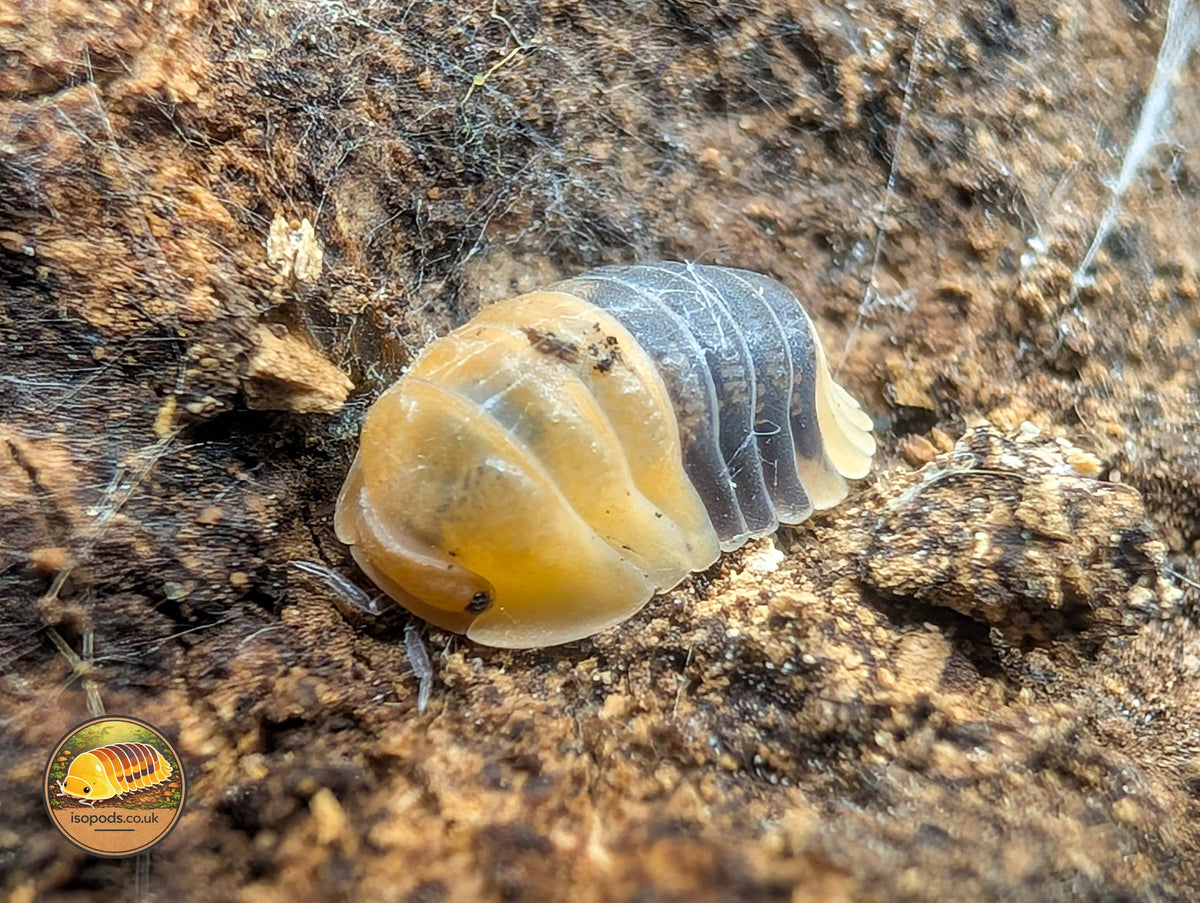
Cubaris Rubber Bee Isopod
20 in stock
Regular price
£60.00 GBP
Sale price
£60.00 GBP
Regular price
Unit price
per
Tax included.
Shipping calculated at checkout.
Couldn't load pickup availability
- Fully secure checkout
- Trusted by thousands
- Rated and reviewed
Want next day delivery? Be quick!
You just missed it!
Question about this product?
We're happy to help.
Cubaris Rubber Bee Isopods for Sale UK
Cubaris Rubber Bee stands out for its darker, more saturated bee-style banding and heavier Cubaris look. Compared with brighter bee-pattern types, this morph feels moodier and more grounded, with strong contrast that tends to look best when the colony is settled among bark, leaf litter, and humid cover rather than on bare open substrate.
In keeper terms, Rubber Bee suits buyers who want a visually distinctive tropical Cubaris and are happy with patient observation. They are often found under bark, in leaf litter, around rotten wood, or close to the damp refuge, with some days giving more visible movement than others. You may also notice occasional climbing on cork or digging into humid substrate, but this is not a species to buy for constant open display.
What makes Rubber Bee different
-
Look: dark body colour with distinct bee-like banding and a heavier, more saturated overall appearance. -
Style: less bright and flashy than some lighter bee-pattern Cubaris, with a deeper, weightier contrast. -
Behaviour: mostly cover-oriented, but can show interesting movement around bark, litter, and humid lower areas once settled. -
Visibility: realistic rather than constant; some periods are quiet, while feeding or evening movement may bring better sightings.
Enclosure style that suits them
Rubber Bee is best treated as a tropical Asian Cubaris type that wants secure humidity, deep cover, and a mature detritus base. A good setup usually includes plenty of leaf litter, bark or cork pieces for shaded undersides, rotten wood, and a damp refuge that stays usable without turning the whole tub wet.
cork bark is especially useful here because it gives them tight hiding places and climbing surfaces at the same time. A damp pocket of sphagnum moss can help keep one refuge stable, while limestone is worth keeping available for steady calcium access. Good airflow still matters: if the enclosure smells sour, stays muddy, or carries heavy condensation across too much of the tub, it is usually too stale and wet rather than simply "humid enough".
If you want a broader reference on balancing moisture, cover, and ventilation, the isopod habitat setup guide is the best next read.
What normal behaviour looks like
This species often spends long periods under cover, especially while settling. Check under bark edges, within curled leaves, around rotten wood, and in the humid lower layers before assuming the colony is inactive. Open sightings can happen, but Rubber Bee is usually more readable through where it chooses to hide and feed than through constant surface activity.
A healthy pattern is usually a colony using several covered spots across the enclosure. If everything is compressed into one damp corner, the rest of the setup may be too dry, too bare, or too stale to use comfortably.
Feeding notes
Like other Cubaris, Rubber Bee should be kept on a detritus-first diet. The main food base should come from litter, decomposing wood, and mature substrate rather than frequent rich feeding. Quiet feeding under cover is common, so a modest visible response does not automatically mean poor feeding.
Fresh foods can be offered in small amounts, but humid Cubaris setups foul quickly when overfed. Small portions are safer than heavy feeding, especially if food is being placed under cover. For a broader overview of enclosure diet and supplements, see what do isopods eat.
Before you order
- Prepare a humid refuge, but keep a drier covered side available as well.
- Add bark, litter, and wood before the colony arrives rather than starting with a sparse tub.
- Make sure the enclosure has airflow and does not stay sour or waterlogged.
- Keep calcium available from the start.
- Expect quieter behaviour at first and avoid overchecking while they settle.
Who usually enjoys this Cubaris
Rubber Bee is a strong fit for keepers who like darker collector-style Cubaris, subtle enclosure behaviour, and species that look especially good in a well-furnished tropical setup. It is less likely to satisfy buyers who want frequent open-floor activity or a brighter bee-style look.
Compare before you choose
If you want to browse more sheltered tropical options, start with our Cubaris isopods collection. If you prefer another patterned Cubaris with a different overall feel, Cubaris Panara Tiger is a useful comparison. If you want something that keeps the tropical Cubaris appeal but leans lighter in presentation, Cubaris Orange Freeze is also worth viewing alongside Rubber Bee.
Ease of care
Preferred Temperature
Preferred Humidity
Popularity
Care Instructions
Care Instructions