🔥 Daily Isopod Auctions on WhatsApp! Grab species at auction prices, discover rare finds & join our growing community. Join Here
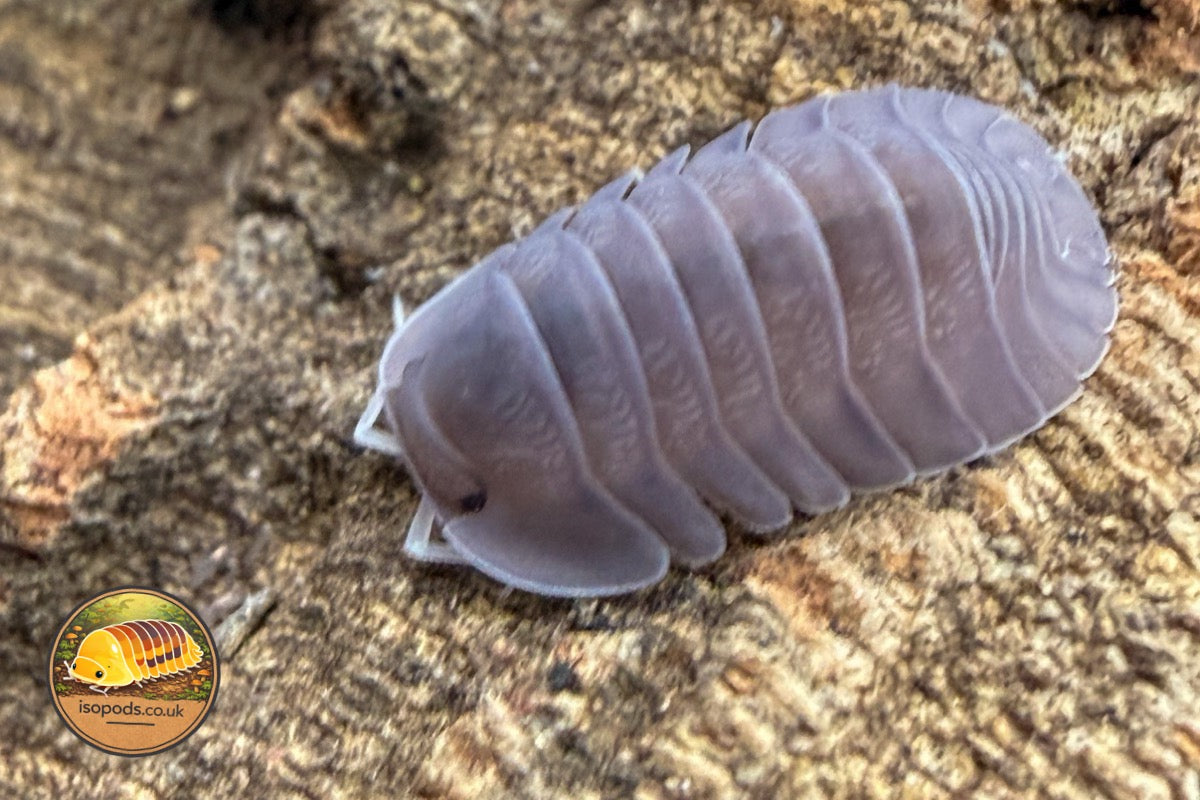
Cubaris Giant Purple Isopod
Low stock! Only 2 left
Regular price
£100.00 GBP
Sale price
£100.00 GBP
Regular price
Unit price
per
Tax included.
Shipping calculated at checkout.
Couldn't load pickup availability
- Fully secure checkout
- Trusted by thousands
- Rated and reviewed
Want next day delivery? Be quick!
You just missed it!
Question about this product?
We're happy to help.
Cubaris Giant Purple Isopods for Sale UK
Cubaris Giant Purple stand out for their larger, heavier look and rich purple to dark purple tones. Compared with smaller orange or brown Cubaris forms, this type has a more substantial presence, so it tends to appeal to keepers who want a darker, weightier collector species rather than a bright, fast-moving display colony.
In practice, Giant Purple should be treated as a specialist Cubaris project. They are usually more rewarding in a mature, humid enclosure with deep substrate, plenty of leaf litter, bark hides, rotting wood, steady calcium access, and enough airflow to keep the tub fresh rather than stale. If you want a species to observe patiently over time, this fits better than one chosen for constant open activity.
What makes Giant Purple appealing
-
Look: Deep purple to dark purple tones with a larger, heavier overall impression. -
Style: More collector-led than display-led. -
Typical behaviour: Usually shelter-focused, with most activity under bark, litter, wood, or other covered damp areas. -
Establishing pace: Best approached as slower to settle and read than bolder surface-active genera. -
Setup standard: Stronger fit for mature tropical enclosures than sparse or freshly built tubs.
How they usually behave in the enclosure
This species may spend long periods under cover, especially while settling. Most sightings are likely to be under bark, within deeper leaf litter, around rotting wood, or near the damp refuge rather than out on bare substrate. That is not unusual for Cubaris, and low open visibility does not automatically mean something is wrong.
The more useful question is whether the colony is using several sheltered areas over time. Gradual leaf wear, quiet feeding under cover, and animals turning up in more than one hide are better signs than expecting constant surface movement. If everything stays packed into one wet corner or one cramped hide, the enclosure may be too dry elsewhere, too open, or too stale.
Setup that suits this species
Giant Purple are best kept in a deeper, established enclosure with a real food base built in. A generous layer of leaf litter should cover much of the surface, with bark or cork creating shaded undersides and tighter hiding spaces. Rotting wood should be part of the enclosure, not just an occasional extra, because it supports both grazing and shelter in a species that often feeds quietly.
A reliable damp refuge matters, but the whole tub should not be soaked. Keep one side moist below the surface, with litter, wood, and damp cover helping it hold humidity, while the rest of the enclosure stays drier but still usable. Sphagnum moss can help keep that humid refuge stable, and cork bark is especially useful for creating firm hides and shaded routes through the enclosure.
Air exchange is important here. Giant Purple usually do better in humid conditions with fresh air than in a sealed wet tub. If the substrate starts smelling sour, food fouls quickly, or the colony retreats into one damp emergency pocket, check whether the enclosure is staying too wet and stale rather than simply adding more water.
Feeding and mineral support
Like other Cubaris, Giant Purple should be treated as detritus-first feeders. Leaf litter, rotting wood, and mature substrate should carry most of the diet, with fresh foods used as support rather than the main event. If you want a broader feeding overview, see what do isopods eat.
Because this is a long-term tropical project species, steady mineral access is worth providing from the start. Limestone is a practical option for ongoing calcium support. Offer extras in small amounts and avoid letting rich foods sit too long in the humid side, where they are more likely to foul.
Who tends to enjoy this species most
Giant Purple make more sense for keepers who enjoy darker collector Cubaris, patient observation, and building an enclosure that the colony can grow into over time. If you like reading behaviour through bark use, litter wear, quiet feeding, and gradual settling, this species can be a satisfying choice.
It is less likely to suit buyers who want quick feedback, frequent open sightings, or a species that performs best in a simpler, more exposed setup.
Compare before you choose
If you want to stay within the same genus but compare another large Cubaris look, see Cubaris Giant Mandarin. If you are still deciding whether this darker, shelter-focused style is right for you, browse the wider Cubaris isopods range or read the Cubaris care guide for a broader view of humidity, cover, feeding, and settling behaviour.
Ease of care
Preferred Temperature
Preferred Humidity
Popularity
Care Instructions
Care Instructions