Skip to product information

Cubaris Cappuccino Cream Isopod

Out of stock

Count

Regular price £90.00 GBP
Sale price £90.00 GBP Regular price
Tax included. Shipping calculated at checkout.

  • Fully secure checkout
  • Trusted by thousands
  • Rated and reviewed

Want next day delivery? Be quick!

You just missed it!
Sorry, it's out of stock.

But we can let you know when it's back in.

Question about this product?

We're happy to help.

Sold out

Cubaris Cappuccino Cream Isopods for Sale UK

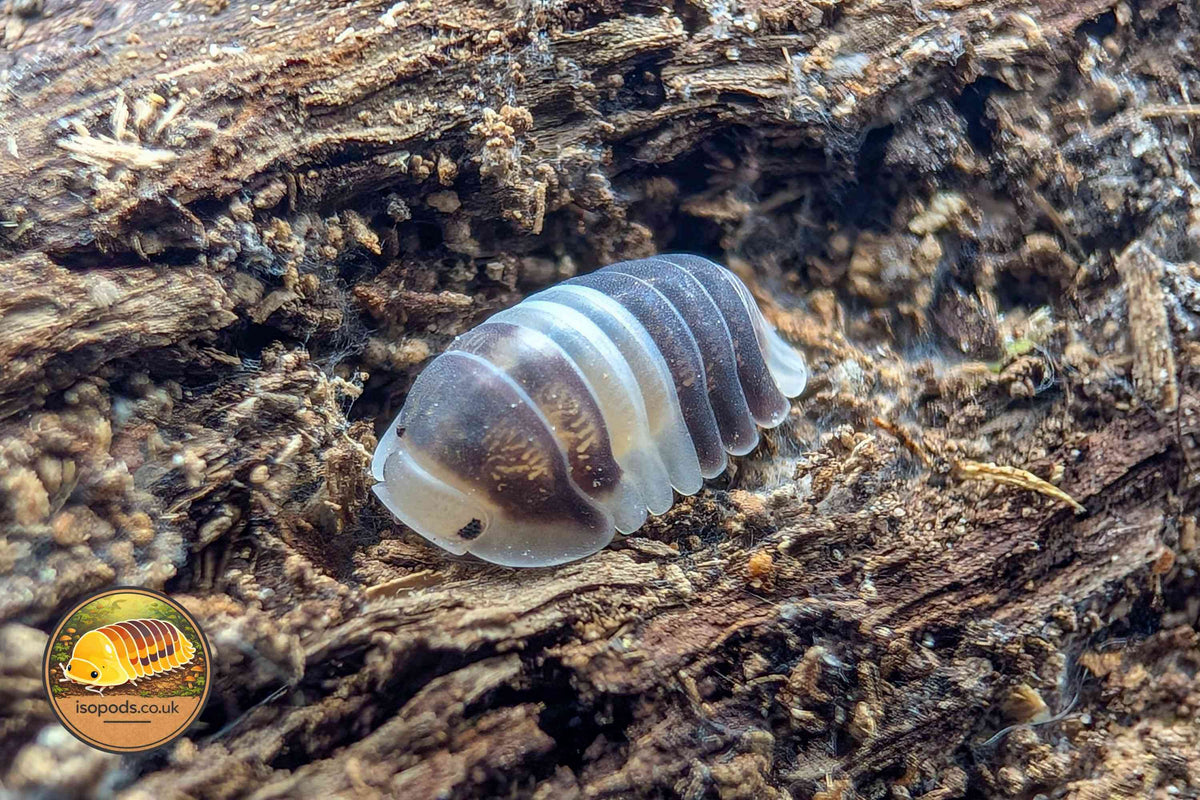
Cubaris Cappuccino Cream stand out for a softer take on the Cappuccino look. Instead of sharp contrast, this form leans into smooth cream, tan, light brown, milky coffee, and gentle caramel tones, giving the colony a calmer, more naturalistic feel in a well-planted tropical setup.

In keeper terms, this is still very much a Cubaris type: more likely to spend time under bark, leaf litter, and sheltered damp cover than out on bare substrate. If you enjoy subtle colour, patient observation, and tropical enclosures built around cover and humidity stability, Cappuccino Cream can be a very appealing choice.

What gives Cappuccino Cream its appeal?

The draw here is refinement rather than flash. This morph suits buyers who prefer balanced, creamy coffee tones over louder pattern-heavy Cubaris. It can fit especially well in collections built around softer, earthy colours, and it pairs naturally with the Thai Cappuccino Cubaris look often associated with this colour theme.

  • Colour impression: soft cream, tan, light brown, and milky coffee tones
  • Overall feel: understated and naturalistic rather than bold or high-contrast
  • Typical behaviour: quiet, shelter-oriented, and usually more visible around cover than in open areas
  • Best appreciated by: keepers who enjoy subtle colonies rather than constant display activity

How they usually behave in the enclosure

A settled colony may still spend long periods under cover. Expect most sightings around bark edges, under leaf litter, near damp moss pockets, or against rotting wood rather than frequent open-floor roaming. That is normal for many Cubaris and should not be treated as a problem by itself.

The more useful thing to watch is whether they are using several sheltered spots. If individuals turn up under different pieces of cover, food disappears quietly under bark, and the enclosure smells clean and earthy, the colony may simply be behaving as expected. If everything is packed into one wet corner, the rest of the tub may be too dry, too exposed, or too stale.

Before ordering: setup that suits this Cubaris

Cappuccino Cream are best prepared for with a humid, covered enclosure rather than a sparse tub. Use a deeper organic substrate that stays moist below the surface, then add generous cover with cork bark, leaf litter, and rot wood so they can hide, feed, and move without crossing too much bare ground.

A damp refuge should stay reliable, but the whole enclosure should not be soaked. A pocket of sphagnum moss can help keep one humid area stable for hydration and moulting, while the other side stays drier on the surface but still covered and usable. Fresh air matters as well: humid does not mean sealed, and a sour-smelling wet tub is usually a warning sign.

Feeding and mineral support

Like other Cubaris, Cappuccino Cream should be treated as detritus-first isopods. The core diet should come from leaf litter, rotting wood, and mature organic substrate, with fresh foods used as extras rather than the main event. Quiet feeding under cover is common, so a low-key food response does not automatically mean poor feeding.

Steady calcium access is worth providing. Limestone is a simple way to keep mineral support available over time, and the broader what do isopods eat guide is useful if you want to build a stronger long-term food base before the colony arrives.

Who tends to enjoy this morph most?

This is a good fit for keepers who like tropical Cubaris with a calmer look and are happy to read behaviour through covered areas, feeding signs, and enclosure use rather than constant surface activity.

It may be less satisfying if you want frequent open visibility, a fast-looking feeding response, or a species that shows itself boldly on bare surface.

Compare before you choose

If you like this softer coffee-and-cream look but want to compare it against the more standard version of the theme, Cubaris Cappuccino is the closest next stop. If you are still browsing within this genus, the Cubaris isopods collection is the best place to compare other sheltered tropical options with different colour styles.


Ease of care
Preferred Temperature

Preferred Humidity
Popularity

Care Instructions

Cubaris Cappuccino Cream is a tropical species requiring deep substrate and high humidity.

Temperature:
22–26°C

Humidity:
High humidity recommended.