🔥 Daily Isopod Auctions on WhatsApp! Grab species at auction prices, discover rare finds & join our growing community. Join Here
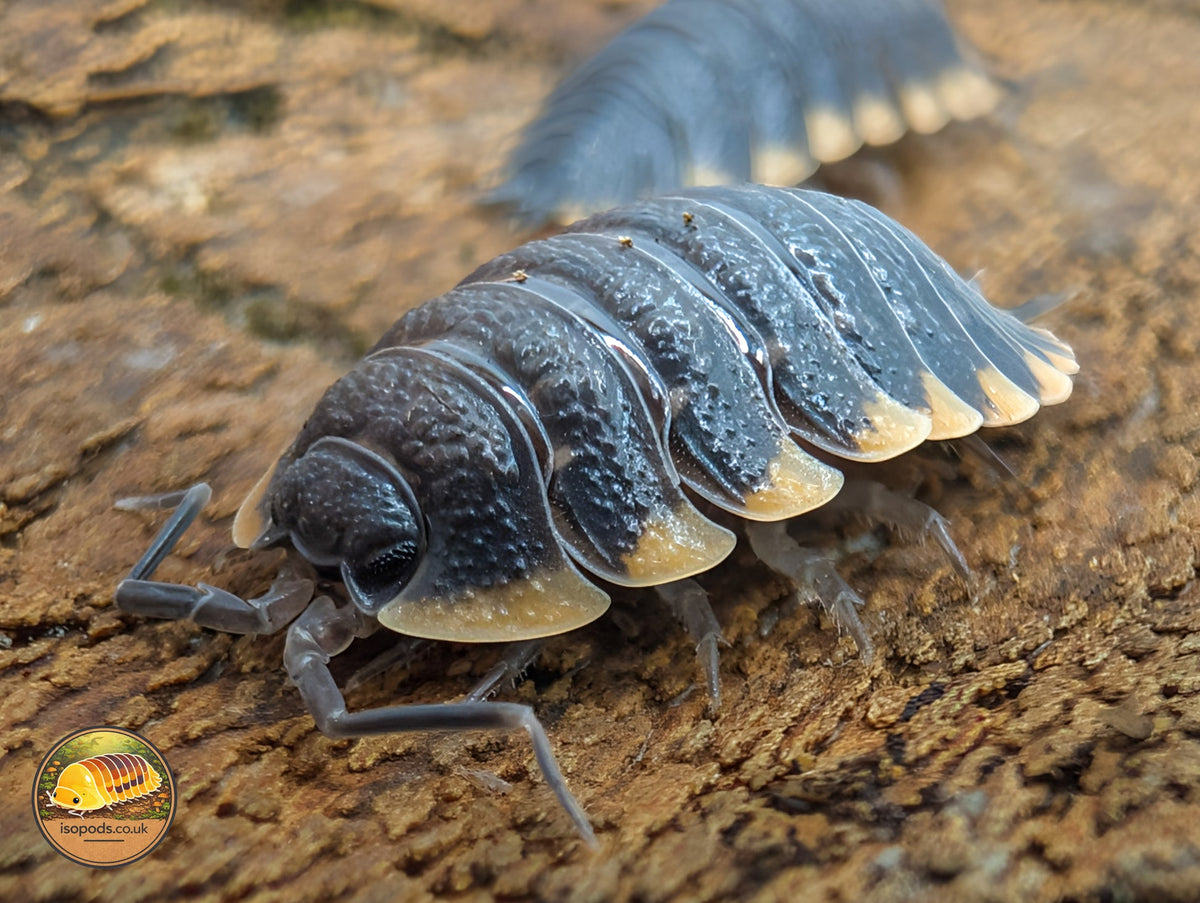
Trachelipus caucasius Isopod
Low stock! Only 10 left
Regular price
£7.00 GBP
Sale price
£7.00 GBP
Regular price
Unit price
per
Tax included.
Shipping calculated at checkout.
Couldn't load pickup availability
- Fully secure checkout
- Trusted by thousands
- Rated and reviewed
Want next day delivery? Be quick!
You just missed it!
Question about this product?
We're happy to help.
Trachelipus caucasius Isopods for Sale UK
Trachelipus caucasius stands out for its broad, flattened, slightly bumpy shape and natural dark body tones with orange to red-orange edging where present. It has a distinctly old-world look that many keepers describe as trilobite-like, and that combination of flat profile, expanded side skirting, and earthy colour makes it feel very different from smoother, rounder tropical species.
This species is also appealing because it is often easier to observe than very hidden tropical isopods, while still behaving like a cover-using temperate species rather than an open-roaming display animal. In a well-set-up enclosure, it is often found around leaf litter, bark edges, shallow hides, and feeding spots instead of staying buried for long periods.
What makes this species distinctive
-
Look: broad, low, and flattened, with a rugged surface and a more prehistoric silhouette than many commonly kept isopods. -
Colour: usually grey-brown to darker body tones, with orange or red-orange edging adding contrast where that edging shows well. -
Locality feel: strongly associated with the Caucasus and Black Sea region, which gives it a different collector appeal from tropical hobby staples. -
Enclosure use: often more surface-readable than hidden Cubaris types, but still most comfortable around litter, bark, and shaded cover.
Collector appeal and enclosure behaviour
Part of the appeal here is the mix of naturalistic colour and readable behaviour. Trachelipus caucasius can give you more visible day-to-day enclosure use than many hidden tropical species, but the sightings are usually around cover rather than out on bare open substrate. Expect to notice them under bark, at litter edges, or moving through sheltered surface routes once they have settled.
That makes this a satisfying species for keepers who enjoy watching how a colony uses the enclosure. If they are spreading between bark, litter, and the damp-to-drier gradient, the setup is usually working. If the whole colony compresses into one wet corner or one hide, the rest of the tub may be too dry, too exposed, or too stale.
How to set up Trachelipus caucasius well
This species is best treated as a temperate, breathable, cover-using isopod rather than a wet tropical one. Give it a reliable damp refuge on one side, but keep the rest of the enclosure usable with plenty of leaf litter, bark, and sheltered drier ground. The goal is not an evenly wet tub. The goal is choice.
Flat species like this tend to make good use of bark undersides, bark edges, and littered surface routes, so a few pieces of tree bark or similar cover work better than a bare tub with one damp patch. Fresh air matters as well. A humid refuge is useful, but the enclosure should still smell clean and earthy rather than stale or sour.
Before ordering, it is worth making sure the enclosure already has a working moisture gradient, good litter coverage, and at least a couple of shaded resting spots. If you want a broader refresher on balancing moisture, cover, and airflow, the isopod habitat setup guide is the best next read.
Food base and calcium support
Like other isopods, this species should feed mainly from the enclosure itself. Leaf litter should stay available in quantity, and rot wood can add extra grazing value over time. Fresh foods are fine as occasional extras, but they should not replace the long-term detritus base.
Steady calcium access is also worth providing. A separate source such as limestone helps support long-term colony maintenance without turning feeding into a constant supplement routine.
Who tends to enjoy this species most
Trachelipus caucasius suits buyers who want a natural-looking species with a strong shape profile and clearer enclosure behaviour than very hidden tropical isopods. It is especially appealing if you like bark, litter, and shallow-cover activity more than the idea of constantly digging for hidden animals.
It may be less satisfying if you want a species that stays deeply hidden most of the time, or if your plan is a sparse enclosure with little cover and a uniformly wet substrate. This species shows better when it has several sheltered places to use across both the damp and drier areas.
Compare before you choose
If you want to stay within the same general look and body style, Trachelipus trilobatus is the closest comparison. If you want a stronger contrast with a much more hidden tropical buyer experience, Cubaris Blue Pigeon gives a very different enclosure feel. You can also browse the wider all isopods range if you are still deciding between temperate surface users and quieter tropical species.
Ease of care
Preferred Temperature
Preferred Humidity
Popularity
Care Instructions
Care Instructions