🔥 Daily Isopod Auctions on WhatsApp! Grab species at auction prices, discover rare finds & join our growing community. Join Here
Porcellio Expansus Prades Isopod
Low stock! Only 5 left
Regular price
£22.50 GBP
Sale price
£22.50 GBP
Regular price
Unit price
per
Tax included.
Shipping calculated at checkout.
Couldn't load pickup availability
- Fully secure checkout
- Trusted by thousands
- Rated and reviewed
Want next day delivery? Be quick!
You just missed it!
Question about this product?
We're happy to help.
Porcellio Expansus Prades Isopods for Sale UK
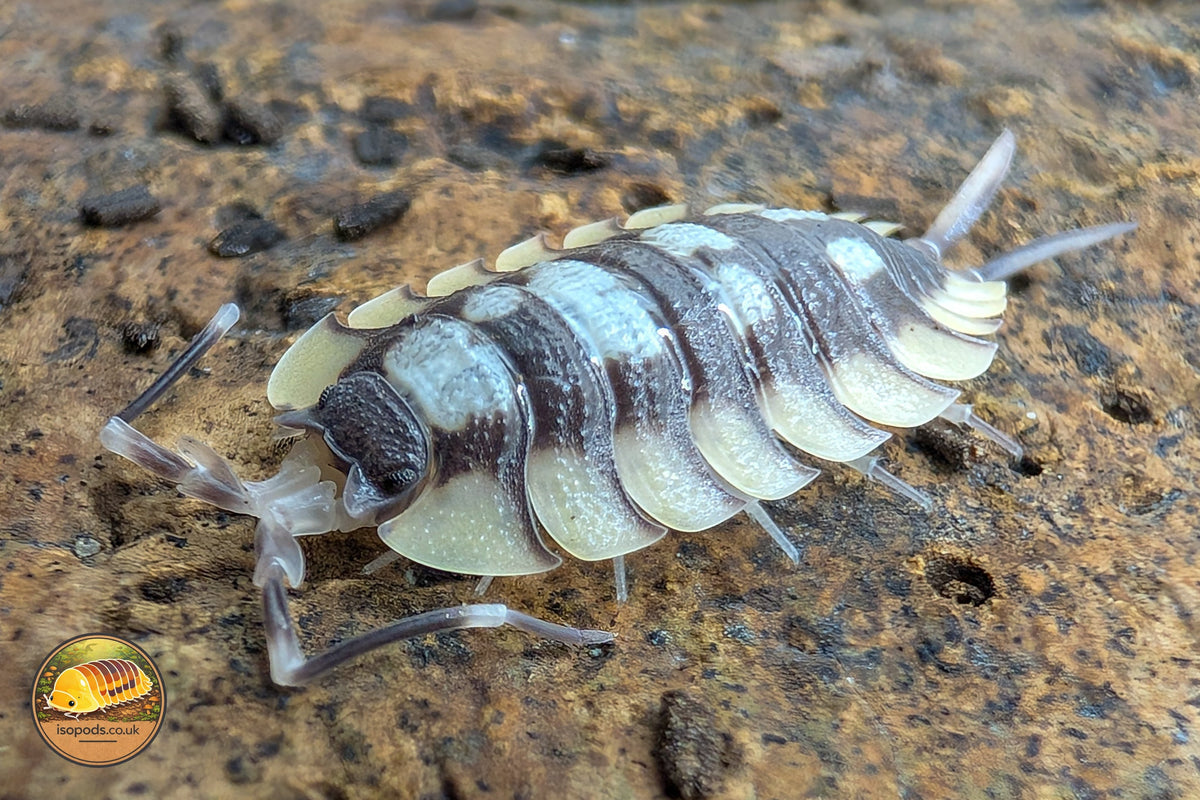
Porcellio expansus Prades is a premium locality form valued for its large size, long-bodied shape, and more natural-looking colour tone. Compared with brighter expansus forms, Prades usually appeals to keepers who prefer an earthier, paler, more wild-type look rather than a strongly orange display.
It is also the kind of Porcellio that can feel rewarding to watch once settled. In a roomy enclosure with strong airflow, bark or stone-like hides, deep litter, steady calcium, and a clear damp-to-drier gradient, this form often shows confident surface use around hide edges, feeding spots, and open routes between cover.
What stands out about Prades
-
Locality appeal: positioned here as a Prades, Spain form rather than a generic expansus listing. -
Shape: notably elongated, with the stretched outline many expansus keepers look for. -
Look: more natural and subdued than brighter Tortosa-style forms, with a less orange overall feel. -
Presence: often easier to notice in the enclosure than more secretive tropical genera, especially once established. -
Setup style: best treated as an airy Porcellio with a usable drier side and a reliable moist refuge, not a wet tropical tub species.
Visual character and collector appeal
The main draw here is not just size. Prades has a more locality-driven feel, with a calmer, more authentic colour impression that can read earthy, pale, or slightly icy depending on the animals in the current line. For buyers choosing between expansus forms, that makes it a different kind of purchase from the brighter Porcellio expansus Orange Tortosa.
If you enjoy large Porcellio with obvious shape and presence but do not want the page to promise exaggerated colour, this form makes sense. Its appeal is in the combination of scale, elongated build, and a more restrained wild-type look.
How they usually use the enclosure
This form fits the broader Porcellio pattern of making more use of surface routes, hide edges, and feeding zones than hidden tropical types such as Cubaris. That does not mean they should be kept exposed. They still read best in an enclosure with bark, leaf litter, and several covered resting points so they can move confidently without crossing a flat bare tub.
Once settled, you may notice individuals using more than one part of the enclosure rather than packing into one damp corner. If they stop using the drier side, become hard to find, or cluster only in the wettest patch, it usually makes more sense to check airflow, cover, and whether the enclosure has become too wet overall before assuming the colony simply wants more moisture.
Before you order
Prepare this species as a larger, more surface-readable Porcellio rather than a humid collector isopod. A practical setup should include plenty of leaf litter, bark or cork hides, a dependable moist refuge, and enough open but covered floor space for movement. The drier side should still be usable, with litter and nearby shelter rather than bare exposed substrate.
Rot wood helps support long-term grazing and gives extra sheltered feeding areas. Reliable mineral access is also worth putting in place from the start; limestone is a simple option. If you want broader setup guidance before buying, the isopod habitat setup guide is the best next read.
Feeding approach
The main diet should come from litter, decaying organic matter, mature substrate, and wood-rich enclosure surfaces. Like many Porcellio, this form may show a more obvious response to added foods than hidden genera, but fresh food should still stay secondary to the enclosure food base.
Small supplemental feeds can work well, especially when offered in amounts that get used quickly. Calcium should stay available, and richer foods should be controlled carefully so they do not foul the enclosure. If you want a refresher on the detritus-first approach, see what do isopods eat.
Who is likely to enjoy this form
Prades makes the most sense for keepers who want a larger Porcellio with visible enclosure use, clear body shape, and locality character. It particularly suits buyers who appreciate natural-looking forms and can provide a spacious, well-ventilated enclosure with a proper moisture gradient.
It may be a weaker fit for buyers expecting a tropical-humid species, a sparse minimalist tub, or a colony that should be visible every moment of the day. This form is more readable than many hidden genera, but it still does best when it has enough cover to behave normally.
Compare before you choose
If you want another strong Porcellio comparison with a different overall look, Porcellio bolivari Perico is worth viewing next. If you are still deciding between locality forms and larger active species, you can also browse the wider Porcellio isopods range.
Ease of care
Preferred Temperature
Preferred Humidity
Popularity
Care Instructions
Care Instructions