🔥 Daily Isopod Auctions on WhatsApp! Grab species at auction prices, discover rare finds & join our growing community. Join Here
Cubaris Red Panda Isopod
Low stock! Only 6 left
Regular price
£12.50 GBP
Sale price
£12.50 GBP
Regular price
Unit price
per
Tax included.
Shipping calculated at checkout.
Couldn't load pickup availability
- Fully secure checkout
- Trusted by thousands
- Rated and reviewed
Want next day delivery? Be quick!
You just missed it!
Question about this product?
We're happy to help.
Cubaris Red Panda Isopods for Sale UK
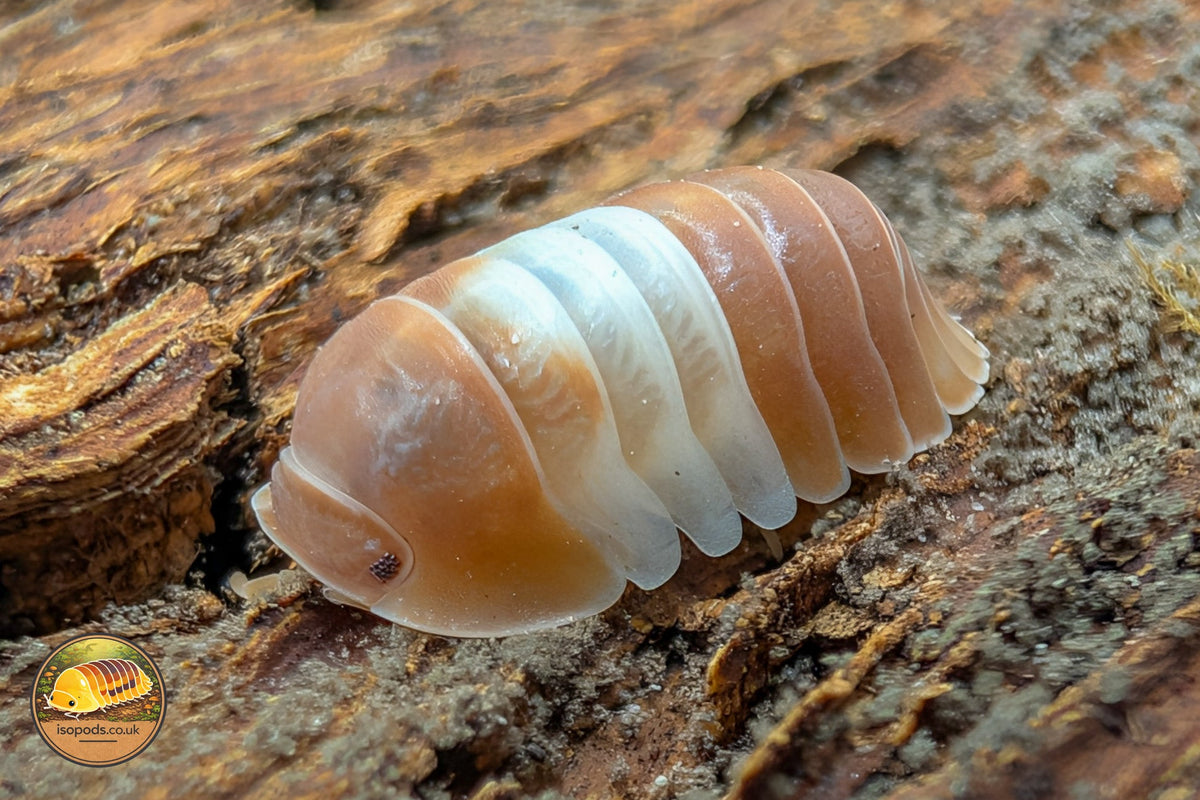
Cubaris Red Panda stands out for its warmer Panda King-style look: orange, red-orange, or deeper red body tones broken up by pale panda-like banding. If you like the familiar panda pattern but want a brighter, warmer colour palette, this is the main reason to choose it.
In the enclosure, Red Panda should still be approached like a Cubaris rather than a bold display species. It usually spends much of its time under bark, leaf litter, and other humid cover, though settled colonies can become easier to spot around covered feeding areas and bark edges. This makes it a better fit for keepers who enjoy tropical species with attractive patterning and quieter, more gradual enclosure behaviour.
The Visual Appeal
Red Panda keeps the panda-style contrast that makes this group so popular, but shifts the overall look away from the classic black, grey, and white style seen in many panda forms. The result is a warmer animal that can show orange to red-orange tones with lighter banding, giving it a distinctly brighter feel without losing the recognisable panda pattern.
What to Expect in the Enclosure
-
Visibility: Usually more often seen under bark, cork, or litter than out on bare substrate. -
Behaviour: Slow-moving, cover-using, and generally more confident once the enclosure feels settled and well covered. -
Setup style: Best treated as a humid tropical Cubaris with a reliable damp refuge, heavy litter, and sheltered hiding places. -
Feeding style: Often feeds quietly under cover rather than giving dramatic open-food responses.
Setup That Suits Red Panda
This species usually does best in a humid enclosure with deep cover rather than a sparse tub. A generous layer of leaf litter should cover much of the surface so the colony can graze and hide at the same time. Add bark or cork to create shaded undersides, tighter gaps, and sheltered routes across the enclosure.
A damp side should stay reliably moist below the surface, with rotten wood, litter, and cover nearby. Rot wood is especially useful here because it adds both feeding value and extra hidden resting areas. The rest of the enclosure should stay covered and usable rather than soaked, so the colony has choice instead of one wet corner doing all the work.
Like many Cubaris, Red Panda usually responds better to humidity with fresh air than to a sealed, swampy tub. If the substrate turns muddy, food spoils quickly, or the enclosure smells sour, it has often drifted too wet or too stale. A steady calcium source such as limestone is also worth keeping available.
Before You Order
Have the enclosure ready with cover already in place: litter across the surface, bark or cork hides, a damp refuge that stays moist without becoming sloppy, and a food base built around detritus rather than fresh food alone. If you are still working out how to balance the damp side with airflow, the guide to providing a moist side for isopods is a useful place to check your setup before the colony arrives.
Feeding Notes
Red Panda should be fed as a detritus-first species. The main diet should come from leaf litter, decomposing wood, and a mature enclosure food base rather than constant fresh extras. Quiet feeding under bark or litter is common, so low visible feeding does not automatically mean poor feeding.
Fresh foods can be offered in small amounts, but it is safer to avoid leaving rich foods to sit too long in a humid tub. If supplements keep moulding before they are used, improve the enclosure base and moisture balance before increasing feeding.
Who Will Enjoy This Species Most
Red Panda is a strong choice for buyers who want a warmer, brighter panda-style Cubaris and are happy to keep a species that often behaves more subtly than open-running genera. It suits keepers who enjoy checking bark edges, covered feeding spots, and gradual signs of colony confidence over time.
It may be less satisfying if your main priority is constant open visibility or fast, obvious feedback from surface activity.
Compare Before You Choose
If you want the familiar panda look in a more classic form, compare Red Panda with Cubaris Panda King. If you prefer a softer and more delicate warm-toned panda appearance, Cubaris Rose Panda is the most useful side-by-side comparison. For broader browsing, the Cubaris isopods collection is the clearest next step.
Ease of care
Preferred Temperature
Preferred Humidity
Popularity
Care Instructions
Care Instructions