🔥 Daily Isopod Auctions on WhatsApp! Grab species at auction prices, discover rare finds & join our growing community. Join Here
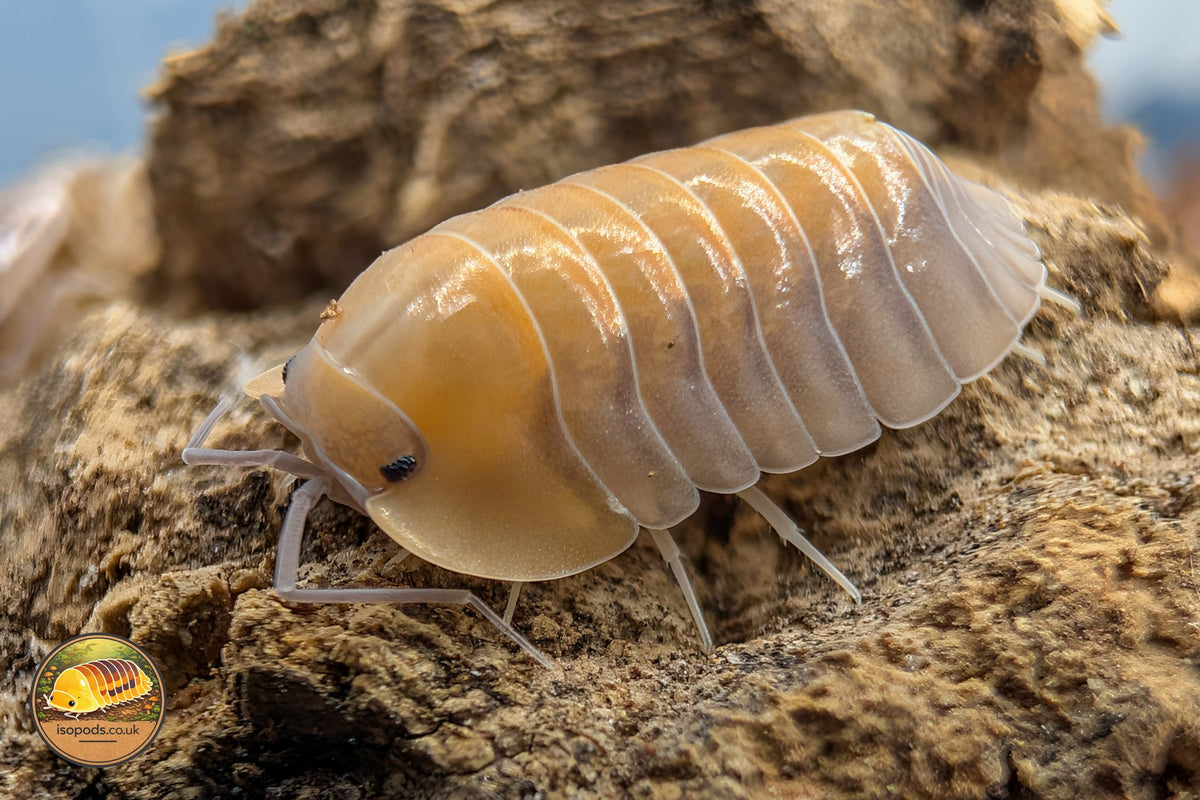
Troglodillo Purple Haze Isopod
Low stock! Only 1 left
Regular price
£150.00 GBP
Sale price
£150.00 GBP
Regular price
Unit price
per
Tax included.
Shipping calculated at checkout.
Couldn't load pickup availability
- Fully secure checkout
- Trusted by thousands
- Rated and reviewed
Want next day delivery? Be quick!
You just missed it!
Question about this product?
We're happy to help.
Troglodillo Purple Haze Isopods for Sale UK
Troglodillo Purple Haze is usually kept for its crevice-focused behaviour rather than frequent open visibility. A settled colony is more likely to be found around bark edges, tight hides, and shaded damp gaps than crossing bare substrate, so this species tends to suit keepers who enjoy patient observation and a more carefully balanced enclosure.
Key Traits
-
Visibility: Usually low in open areas; more often found in cracks, under bark, or in tight covered spaces. -
Behaviour: Cautious and shelter-focused, with activity tending to stay close to cover. -
Growth rate: Best treated as gradual rather than fast. -
Sensitivity: Can react badly to drying, stale wet conditions, or repeated disturbance. -
Difficulty: Better suited to keepers who can maintain a stable humid setup with good air exchange.
Behaviour and Enclosure Use
This species makes more sense when you watch where it settles rather than how often it appears in the open. Troglodillo are usually associated with crevices, cork edges, bark gaps, and other shaded hard cover. Even once established, Purple Haze may still spend much of its time tucked into undersides, side gaps, and damp sheltered pockets where cover meets the substrate.
If the whole colony stays packed into one wet corner, the enclosure is often offering only one part that feels safe enough to use. That usually points to the rest of the tub being too dry, too exposed, or too stale. A healthier pattern is finding them spread between several sheltered spots instead of compressed into one emergency hide.
Habitat and Setup
Build the enclosure around humid hiding places with fresh air, not a sealed wet tub. A reliable damp refuge matters, but the whole enclosure should not be soaked. Deep substrate that holds lower moisture, a heavy layer of leaf litter, and several pieces of cork bark or similar hard cover give them the tight shaded spaces they tend to use.
Slanted bark, narrow gaps, and sheltered routes between the damp and drier areas usually work better than a flat tub with one hide. The drier side should still have cover rather than bare exposed floor. If you are unsure how to balance that side of the enclosure, how to provide a dry side for isopods is a useful practical guide.
Good airflow matters as well: humid conditions can work well for Troglodillo, but stale, swampy air often does not. For broader context on warmer, humidity-dependent species, the tropical isopods guide is still a helpful next step.
Feeding
Feeding should stay detritus-first. Leaf litter and decomposing material should make up the main food base, with rot wood adding both long-term grazing value and sheltered feeding contact. Fresh foods and protein can be offered in small amounts, but they should stay supplemental rather than becoming the main diet.
Because this kind of species often feeds under cover, a dramatic feeding response is not the best measure of health. Quiet wear on leaf litter, gradual use of wood, and feeding signs in sheltered areas are usually more useful signals. Consistent calcium access can also help support long-term stability, so a dry piece of limestone is worth keeping available.
For broader feeding guidance, see What Do Isopods Eat?.
Common Failure Points
-
Everything stays wet: the enclosure can turn stale, and the colony may stop using much of the space. -
Only one damp refuge works: if all animals are crammed into one corner, the rest of the enclosure may be too dry or too exposed. -
Too little hard cover: a flat setup with one hide gives cautious species too few safe places to settle. -
Repeated disturbance: frequent checking, rearranging, or lifting hides can keep them withdrawn for long periods. -
Heavy fresh feeding: leftovers in a humid enclosure can foul quickly before they help the colony.
Who This Species Suits
Troglodillo Purple Haze suits keepers who enjoy subtle behaviour, patient observation, and careful enclosure control. It is likely to feel more rewarding if you like watching how a colony uses bark gaps, tight hides, and sheltered damp areas over time.
It may be frustrating for buyers who want frequent open activity, quick visible feedback, or a species that tolerates repeated setup changes.
Why Choose This Species
What makes this species appealing is not constant display, but the way it uses crevices, bark edges, and humid cover once the enclosure is working properly. For keepers who enjoy building a more careful tropical setup and reading small behavioural changes, Troglodillo Purple Haze can be a distinctive species to keep.
Related Species and Next Steps
If you want to browse more species from the same genus, see the Troglodillo isopods collection. If you would prefer another named Troglodillo to compare against, Troglodillo Green Oyster is another useful point of reference.
For longer-term expectations around settling, colony behaviour, and how these setups mature over time, the Ultimate Guide to Isopod Colonies is a helpful next read.
Ease of care
Preferred Temperature
Preferred Humidity
Popularity
Care Instructions
Care Instructions