🔥 Daily Isopod Auctions on WhatsApp! Grab species at auction prices, discover rare finds & join our growing community. Join Here

Cubaris Ishigaki Island Isopod
Low stock! Only 7 left
Regular price
£20.00 GBP
Sale price
£20.00 GBP
Regular price
Unit price
per
Tax included.
Shipping calculated at checkout.
Couldn't load pickup availability
- Fully secure checkout
- Trusted by thousands
- Rated and reviewed
Want next day delivery? Be quick!
You just missed it!
Question about this product?
We're happy to help.
Cubaris Ishigaki Island Isopods for Sale UK
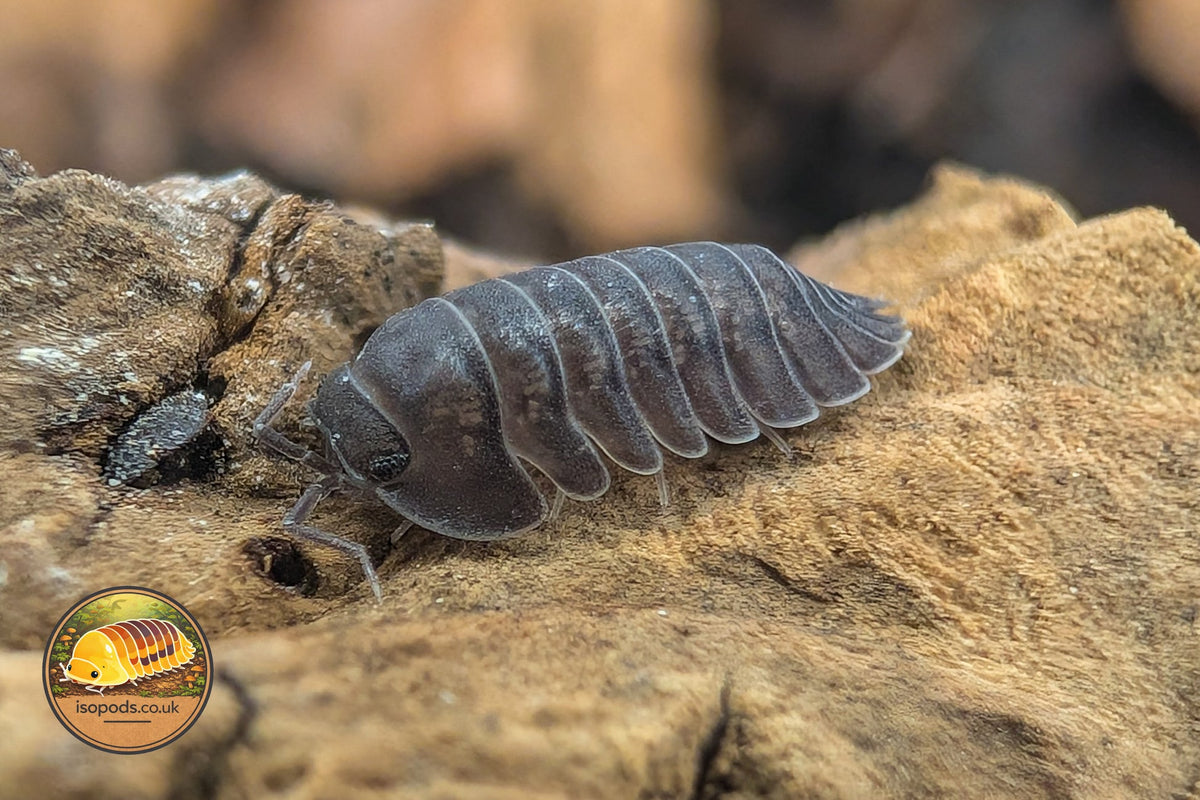
Cubaris Ishigaki Island stands out for its locality-led look and quieter natural character. This Cubaris is associated with Ishigaki Island in southern Japan, and the appeal here is less about a loud morph effect and more about a grounded, natural presentation: a blue-grey body tone, sometimes with an orange marking on the first body segment, and the calm, shelter-oriented behaviour many collectors enjoy in tropical Cubaris.
In the enclosure, this is best treated as a cautious, humid-cover species rather than one chosen for constant open display. Expect more use of bark hides, leaf litter, lower substrate pockets, and sheltered feeding spots than open roaming. If you enjoy locality-based Cubaris and do not mind patient observation, this is a more fitting choice than a species bought mainly for frequent surface activity.
What gives Ishigaki Island its appeal
-
Locality feel: positioned around Ishigaki Island and a natural island-form Cubaris look rather than a bright morph-style presentation. -
Colour tone: typically blue-grey overall, with an occasional orange marking on the first body segment where present. -
Behaviour: usually quiet, deliberate, and more often found under cover than out on bare substrate. -
Collector fit: better for keepers who value natural form, subtle behaviour, and enclosure detail over constant visibility.
How they usually behave
A healthy colony may still spend long periods out of sight. Ishigaki Island types are more likely to be found under bark, within deep litter, against rotting wood, or in damp sheltered spaces than crossing open floor. Brief sightings around food can happen, but this species is better judged by gradual litter use, quiet feeding under cover, and whether the colony spreads across more than one protected area over time.
If they stay packed into one wet corner, that often points to a setup issue rather than "normal hiding". The rest of the enclosure may be too dry, too exposed, or too stale to use comfortably.
Before ordering, prepare the enclosure for cover first
This Cubaris does better in an enclosure with depth and shelter already in place. A thick layer of leaf litter, pieces of cork bark, decomposing wood, and a dependable damp refuge will usually serve them better than a simple tub with one wet patch.
The damp side should stay reliably moist below the surface, but the whole enclosure should not be soaked. A drier side still needs cover, so the colony can move between areas without crossing a lot of bare ground. Steady calcium access is also worth keeping available, and limestone is a practical option for that. If you need help balancing moisture, shelter, and airflow, the isopod habitat setup guide is the most useful place to start.
Feeding style
Like other Cubaris, Ishigaki Island should be treated as detritus-first. The enclosure itself should carry most of the diet through leaf litter, decomposing wood, and mature substrate. Fresh foods can be offered in small amounts, but they should support the setup rather than replace it.
Do not assume a quiet feeding response means the colony is struggling. This type often feeds under cover, so slow wear on leaves and sheltered food use are more useful signs than dramatic surface feeding.
Who tends to enjoy this species most
This is a strong match for keepers who like locality-based Cubaris, natural colour forms, and subtler enclosure behaviour. It suits a buyer who is happy building a humid tropical setup with bark, litter, rot wood, and steady mineral support before the colony arrives.
It is less likely to satisfy buyers who want frequent open sightings, obvious feeding displays, or a species that looks best in sparse, exposed tubs.
Compare before you choose
If you want to browse similar options, start with the Cubaris isopods collection. For a direct same-genus comparison with another collector-facing Cubaris, Cubaris Happy Nun is a useful next look. If you want broader background on how hidden tropical colonies settle and develop over time, the Ultimate Guide to Isopod Colonies is a good follow-on read.
Ease of care
Preferred Humidity