🔥 Daily Isopod Auctions on WhatsApp! Grab species at auction prices, discover rare finds & join our growing community. Join Here
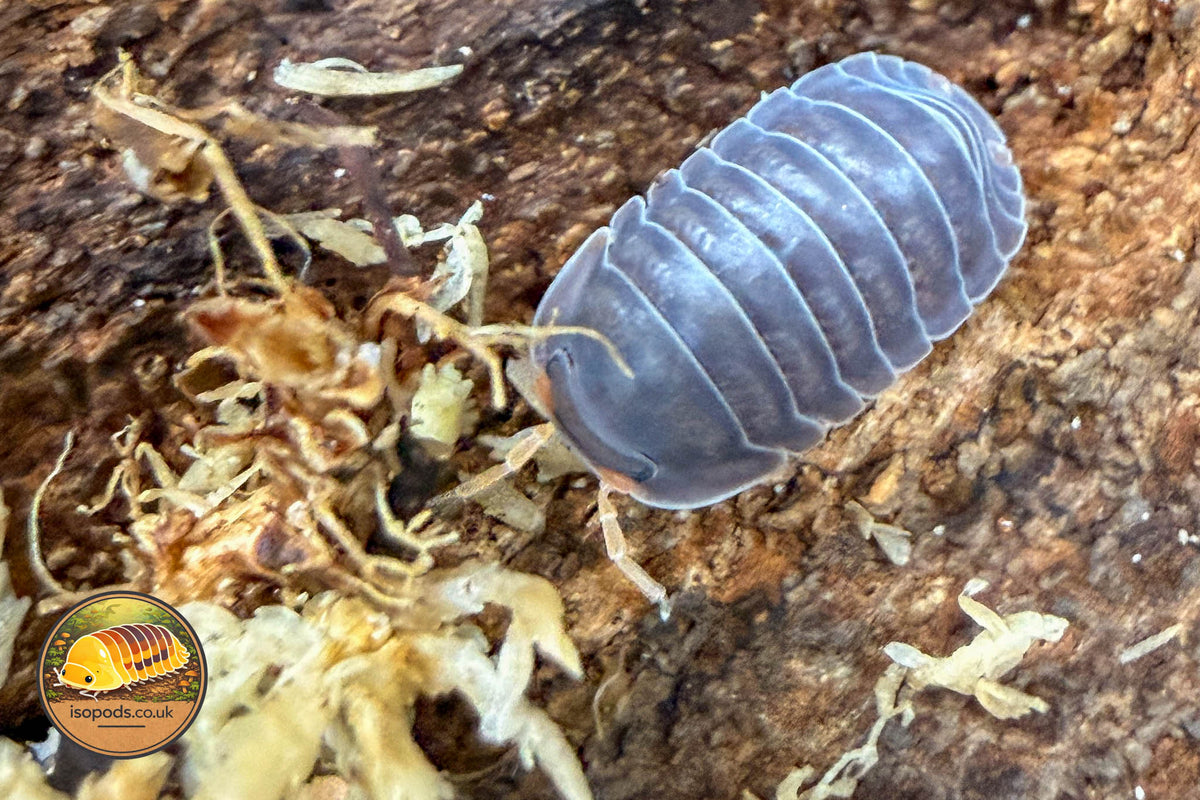
Cubaris Catfish Isopod
Low stock! Only 2 left
Regular price
£60.00 GBP
Sale price
£60.00 GBP
Regular price
Unit price
per
Tax included.
Shipping calculated at checkout.
Couldn't load pickup availability
- Fully secure checkout
- Trusted by thousands
- Rated and reviewed
Want next day delivery? Be quick!
You just missed it!
Question about this product?
We're happy to help.
Cubaris Catfish Isopods for Sale UK
Cubaris Catfish stands out for the look that gives it its name: a distinctive face and profile that can read as surprisingly fish-like in the right light, paired with a more muted, aquatic-style overall feel than many brighter collector Cubaris. That unusual look is the main draw here, but it comes with the quieter, shelter-loving behaviour many keepers already expect from this genus.
This is not a species to buy for constant open activity. Catfish is better suited to keepers who enjoy checking bark undersides, leaf litter pockets, and tight humid hides, then reading the enclosure over time rather than expecting regular surface display.
What makes Catfish appealing
-
Collector interest: an unusual hobby name backed by a distinctive head shape and profile. -
Visibility style: more often found under cover than crossing bare substrate. -
Typical behaviour: burrowing, lower-level enclosure use, and quiet movement around damp sheltered areas. -
Setup bias: deep substrate, heavy litter, bark cover, rotting wood, and a reliable humid refuge. -
Keeper style: better for patient observation than display-first expectations.
How they usually behave in the enclosure
Catfish should be treated as a Cubaris that prefers the safer parts of the tub: under cork bark, within deep litter, against damp lower substrate, and around pieces of rot wood. A settled colony may still spend long periods out of sight, especially if the enclosure gives them enough cover to feed and rest without using exposed open ground.
That hidden behaviour is not automatically a bad sign. More useful signs are gradual wear on leaves and wood, animals turning up in more than one covered area, and a clean earthy smell rather than a sour wet one. If the whole colony stays packed into one wet corner, the rest of the enclosure is often too dry, too open, or too exposed rather than the species simply being "inactive".
Before you order
Have the enclosure ready first. Catfish tends to do better in a mature, sheltered setup than in a freshly assembled bare tub. A generous layer of leaf litter should cover most of the surface, with bark hides, rotting wood, and enough substrate depth for lower-level use and burrowing.
Keep one damp refuge reliable without soaking the whole enclosure. A pocket of sphagnum moss can help hold that humid area, while the rest of the tub should stay covered but not swampy. High humidity does not mean stale air, so avoid sealed, sour, muddy conditions.
Feeding and long-term support
Like other Cubaris, Catfish should be treated as detritus-first. The enclosure itself should provide most of the diet through leaf litter, rotting wood, mature substrate, and the microbial films that build up over time. Fresh foods are useful as extras, but they should not replace the food base already in the enclosure.
Calcium should also be available consistently rather than added only after problems appear. Limestone is a sensible long-term option for keepers who want steady mineral support in a humid Cubaris setup.
Who tends to enjoy this species most
Catfish makes the most sense for keepers who like unusual collector Cubaris, prefer enclosed tropical-style setups, and do not mind a species that spends much of its time hidden under bark, litter, and lower cover.
If you want an isopod that is often out in the open, gives fast visible feedback, or suits a sparse and airy setup, this one may feel underwhelming.
Compare before you choose
If the Catfish look appeals but you want to compare other shelter-loving options first, browse the Cubaris isopods collection. If you are still refining the enclosure itself, the isopod habitat setup guide is the most useful next step for getting the damp refuge, cover, and airflow right before the colony arrives.
Ease of care
Preferred Temperature
Preferred Humidity
Popularity
Care Instructions
Care Instructions