🔥 Daily Isopod Auctions on WhatsApp! Grab species at auction prices, discover rare finds & join our growing community. Join Here
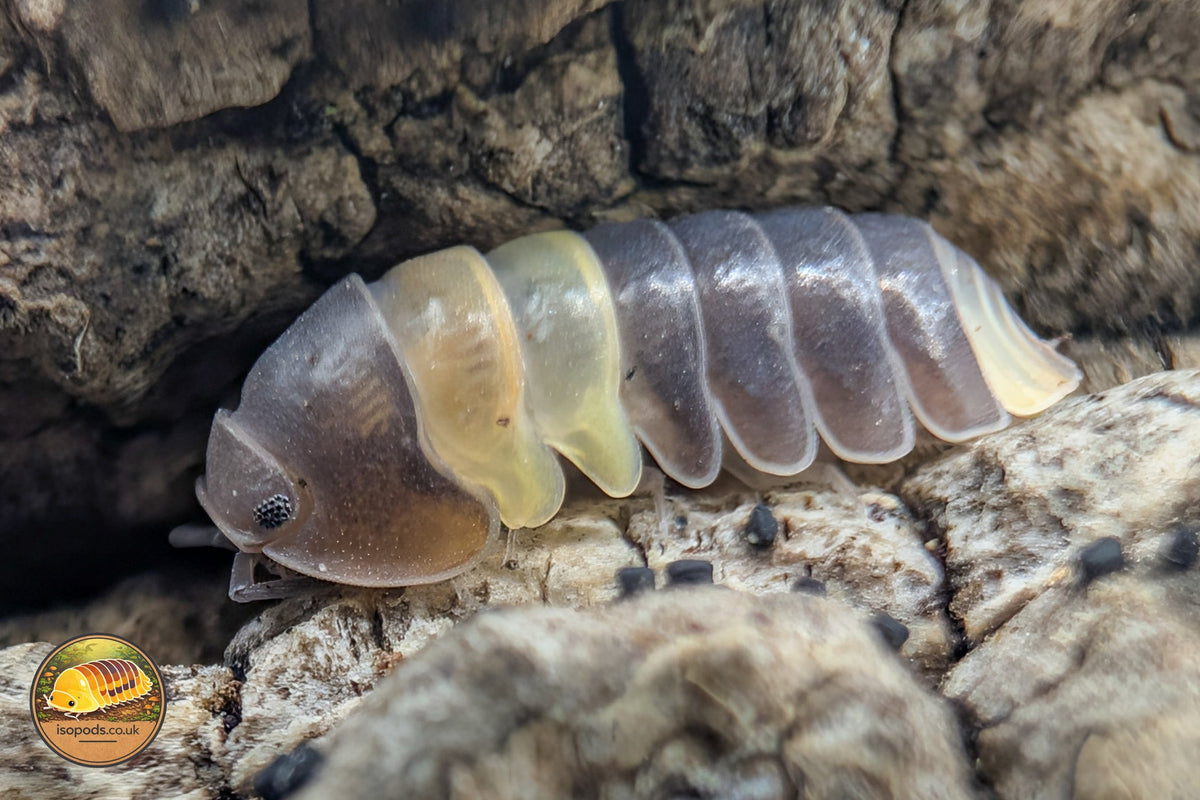
Cubaris R13 Rubber Ducky Isopod
Low stock! Only 10 left
Regular price
£45.00 GBP
Sale price
£45.00 GBP
Regular price
Unit price
per
Tax included.
Shipping calculated at checkout.
Couldn't load pickup availability
- Fully secure checkout
- Trusted by thousands
- Rated and reviewed
Want next day delivery? Be quick!
You just missed it!
Question about this product?
We're happy to help.
Cubaris R13 Rubber Ducky Isopods
R13 Rubber Ducky is a premium collector line of Cubaris, chosen for the classic rounded body, duck-like face, and cleaner, more consistent contrast that many keepers look for in a refined ducky-type colony. The R13 name is generally tied in hobby circles to Route 13 in Asia, where this line is believed to originate, which adds to its collector appeal without changing the fact that it should still be kept as a careful, shelter-loving Cubaris.
In practical terms, this is not a species for constant open display. Expect a shy colony that spends much of its time under bark, in deep litter, and around damp lower cover. What makes R13 stand out is the look and lineage value, while the care side stays true to specialist Cubaris: stable humidity, deep substrate, plenty of cover, steady calcium access, and patience while the colony settles.
What sets R13 apart
-
Refined duck-face look: selected for the familiar "ducky" expression that makes this type so recognisable. -
Rounded Cubaris shape: a fuller, compact profile that gives the line its classic collector appeal. -
Cleaner visual consistency: often preferred by buyers comparing more generic ducky-style listings. -
Collector-led interest: bought as much for presentation and lineage appeal as for day-to-day enclosure activity.
How they behave in the enclosure
R13 Rubber Ducky usually behaves like a hidden or semi-hidden Cubaris rather than an openly roaming isopod. Once settled, individuals are often found under cork, inside leaf litter, against rotten wood, or in damp sheltered pockets below cover. They may burrow or stay tucked away for long periods, especially after arrival or setup changes.
Low visibility on open substrate is not unusual here. Better signs are gradual wear on litter, quiet feeding under cover, and animals turning up in more than one sheltered spot. If the whole colony stays crammed into one wet corner, the rest of the enclosure may be too dry, too exposed, or too stale to use comfortably.
Before ordering, prepare the enclosure for a specialist Cubaris
This line does best when the enclosure already has a proper food base and several secure hiding places. Start with a deeper substrate layer that stays moist below the surface without turning muddy. Add a generous covering of leaf litter so they can graze and stay hidden at the same time, then build in sheltered undersides with cork bark or similar firm cover.
A reliable damp refuge matters, but the whole tub should not be soaked. A patch of sphagnum moss can help hold one humid area steady, while the rest of the enclosure stays drier on top but still covered and usable. Rot wood is worth treating as part of the enclosure rather than an optional extra, because it adds both long-term grazing value and sheltered contact points around the lower cover.
Steady calcium access is also worth keeping available. Limestone is a practical long-term mineral source for Cubaris setups like this.
Who tends to enjoy this line most
R13 usually suits buyers who want a collector-focused Rubber Ducky with a refined look and who are happy to keep a quieter colony properly. It makes more sense for someone who enjoys checking bark edges, leaf litter, and hidden feeding spots than for someone expecting bold surface activity every day.
If you prefer species that are easier to watch in the open, or you want something that forgives frequent setup changes, this line may feel slower and more demanding than expected.
Common mistakes with ducky-type Cubaris
-
Too little cover: a sparse tub makes them retreat harder and can make the colony seem absent. -
Wet everywhere: soaking the whole enclosure often leads to stale, sour conditions instead of usable humidity. -
Weak food base: fresh foods should support the enclosure, not replace litter, wood, and mature substrate. -
Too much disturbance: repeated checking can keep a slow-establishing colony hidden for longer.
Compare before you choose
If you are deciding between ducky-style Cubaris, Rubber Ducky Blonde is a useful comparison for a lighter take on the same broad theme, while Cliff Ducky offers another ducky-style direction to compare. For a wider look at related options, browse the Cubaris isopods collection. If you want setup help before ordering, the isopod habitat setup guide is the most useful next read.
Ease of care
Preferred Temperature
Preferred Humidity
Popularity
Care Instructions
Care Instructions