🔥 Daily Isopod Auctions on WhatsApp! Grab species at auction prices, discover rare finds & join our growing community. Join Here
Cubaris Citrus Panda Isopod
Low stock! Only 9 left
Regular price
£25.00 GBP
Sale price
£25.00 GBP
Regular price
Unit price
per
Tax included.
Shipping calculated at checkout.
Couldn't load pickup availability
- Fully secure checkout
- Trusted by thousands
- Rated and reviewed
Want next day delivery? Be quick!
You just missed it!
Question about this product?
We're happy to help.
Cubaris Citrus Panda Isopods for Sale UK
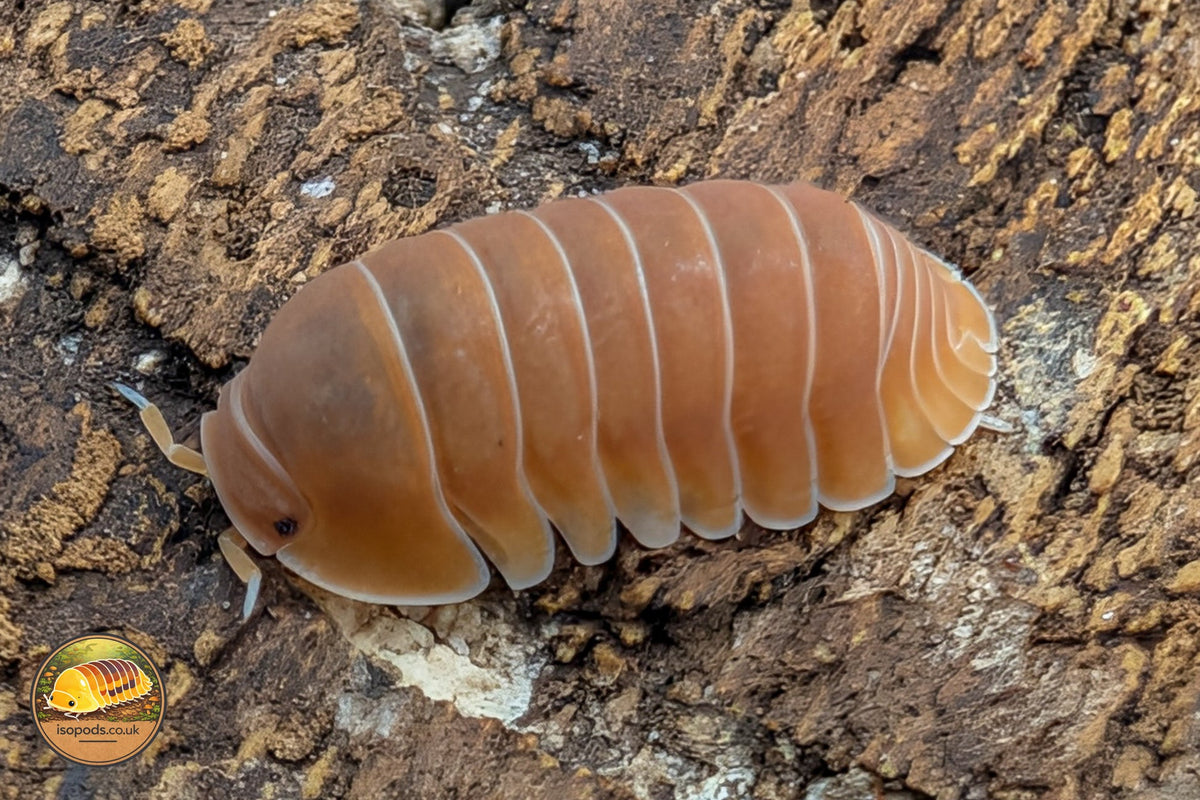
Cubaris Citrus Panda stands out for its warm Panda King-style look: citrus-orange, orange-red, or deeper red tones replacing the usual black-and-white panda contrast. Depending on the line, you may also see a paler rump, light edging, or that familiar panda-style patterning in a much warmer colour palette.
That makes this a strong choice for keepers who like the Panda King family look but want something fruit-coloured and less monochrome. In enclosure terms, though, it should still be treated like a Cubaris: more likely to spend time under bark, leaf litter, and humid cover than walking openly across bare substrate.
What makes Citrus Panda different
-
Visual appeal: a warmer take on the panda-style Cubaris look, with orange, orange-red, or deep red tones rather than classic black and white. -
General behaviour: usually quiet, deliberate, and cover-loving rather than openly active all day. -
Where you will usually find them: under bark, within leaf litter, around damp lower cover, and near rotting wood. -
Setup bias: best approached as a humid tropical Cubaris with a reliable damp refuge, steady cover, and clean air exchange. -
Keeper expectation: better for buyers who enjoy colour, subtle behaviour, and patient observation than buyers who want constant surface movement.
Colour first, but still a Cubaris
The main buying reason here is the contrast between the familiar Panda King style and the warmer Citrus Panda palette. It has that same broad panda-family appeal often associated with Vietnamese or Southeast Asian hobby lines, but with a much softer, richer orange-to-red presentation.
That visual appeal does not change the basic keeper logic. A healthy colony may still be fairly hidden for long periods, especially while settling. You are more likely to notice them under cover, along bark edges, or when checking leaf litter than sitting out in the open.
How they use the enclosure
Citrus Panda will often stay close to sheltered humid areas, using bark, cork, leaf litter, and lower substrate pockets as their main resting and feeding zones. Quiet feeding under cover is more typical than constant open-floor activity.
Low visibility on its own is not a problem. Better signs are gradual wear on leaves, use of more than one hiding place, and animals turning up under different pieces of cover rather than crowding into one emergency refuge.
If the whole colony is packed into one damp corner, the rest of the enclosure may be too dry, too exposed, or drying too quickly. If they avoid the moist side, that area may be muddy or stale rather than comfortably damp.
What to prepare before ordering
Set this species up with a substantial surface layer of leaf litter, deeper substrate, and several covered areas rather than a flat bare tub. Bark or cork gives them shaded undersides and tighter gaps to rest against, and a piece of cork bark is a simple way to create those sheltered spots.
The damp refuge should stay moist below the surface without turning the whole enclosure wet. A pocket of sphagnum moss can help keep that area buffered, while the rest of the tub should stay covered and usable rather than soaked.
If you want a fuller breakdown of how to balance moisture, cover, and airflow for tropical species, the isopod habitat setup guide is the best next read.
Feeding and mineral support
Like other Cubaris, Citrus Panda should be treated as detritus-first. The enclosure itself should do most of the feeding work through leaf litter, mature substrate, and decaying wood. A piece of rot wood adds both grazing value and another sheltered place for the colony to sit and feed.
Fresh foods can be offered in small amounts, but they are extras rather than the foundation. If fresh food gets a big response while litter and wood remain untouched, the enclosure food base may be too weak. If added foods spoil quickly, portions are likely too large or the enclosure is staying too wet.
Consistent calcium access is also worth including. Limestone is a practical long-term option for mineral support in a Cubaris setup.
Who tends to enjoy this species most
Citrus Panda is a better fit for keepers who want a visually distinctive Cubaris and do not mind checking under bark or litter to appreciate the colony. It suits a patient tropical setup with deep cover, stable substrate, and a dependable humid refuge.
It may disappoint buyers who want an isopod that is always out on display, or who prefer a more forgiving species for airy, exposed, or fast-drying tubs.
Compare before you choose
If you want the classic panda look, compare this species with Cubaris Panda King. For another warm-toned Cubaris, Cubaris Amber Panda is a useful comparison, although it is a separate species rather than another Panda King colour morph. For a wider browse of similar sheltered tropical species, see the Cubaris isopods collection.
Ease of care
Preferred Temperature
Preferred Humidity
Popularity
Care Instructions
Care Instructions